
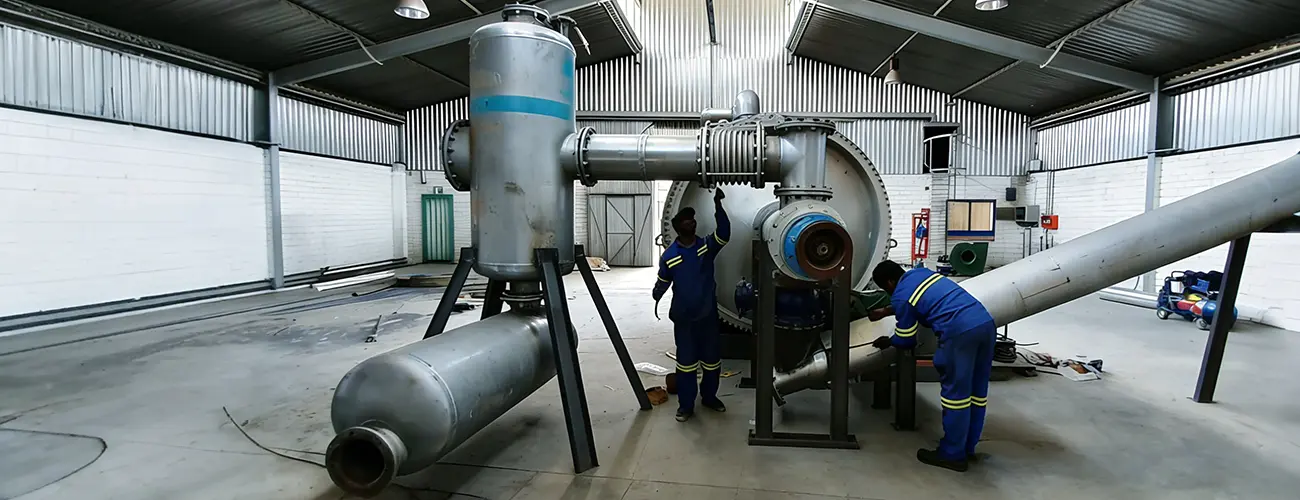
1. Challenges Faced
The client’s region has a large amount of scrap tires, but their economic value is low, mainly reflected in:
- Low profit margins from primary carbon black recovered from tires (selling at only 1.5–1.8 USD/KG);
- Limited local market for carbon black, further constraining profit growth;
- Inability to recover other high-value by-products, capping overall profitability.
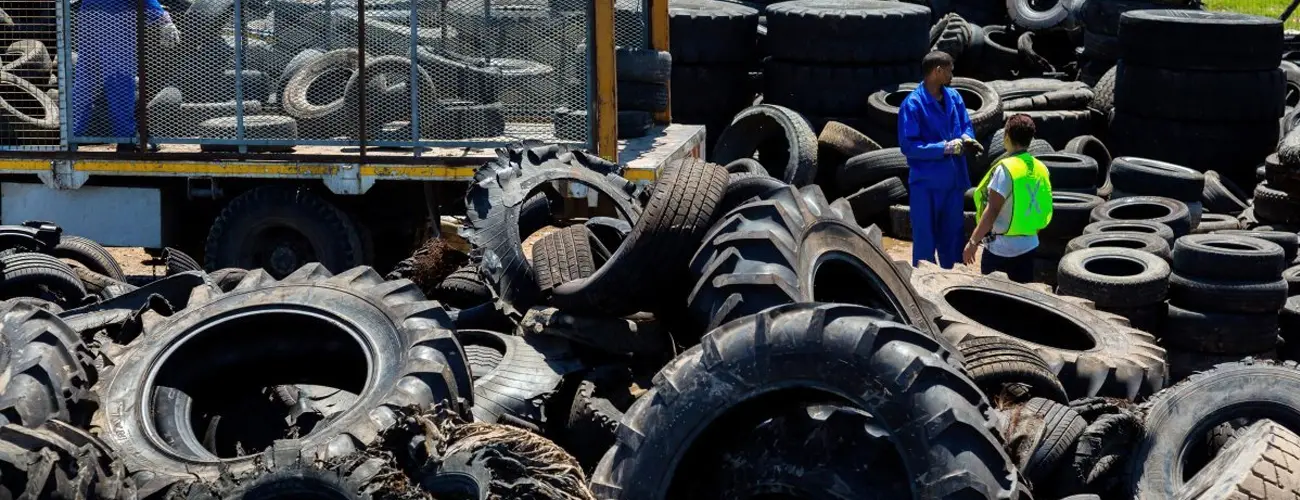
2. Goals for Change
The client aims to achieve the resource recovery and value‑added utilization of waste tires through pyrolysis technology. The specific objectives include:
- Establish a daily processing capacity of 5 tons of waste tires.
- Promote deep processing of carbon black, expanding its applications in pigments and brick additives to enhance economic returns.
- Recover pyrolysis oil at scale to diversify revenue streams.
3. Action and Solution
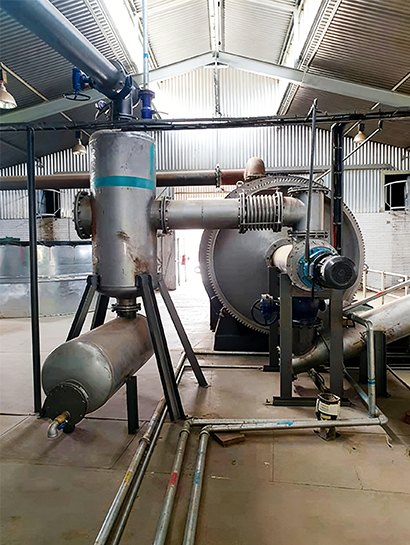
This project implemented Beston Group’s integrated tire pyrolysis and carbon black deep processing solution. This enables complete conversion and value-added utilization of waste tires.
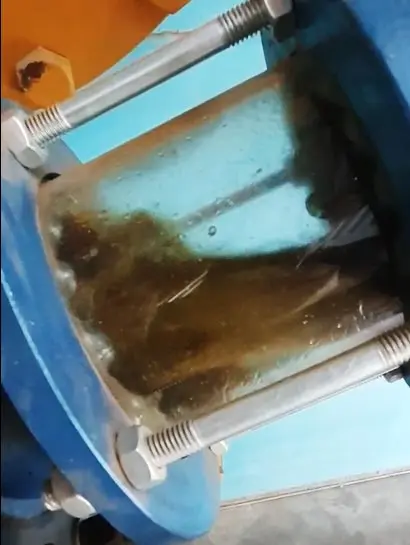
- Large-Scale Pyrolysis Oil Production: The tire pyrolysis plant consistently produces significant volumes of pyrolysis oil. The oil can be sold directly as industrial fuel oil or further refined as feedstock for downstream chemical processes. This creates a core revenue stream alongside carbon black.
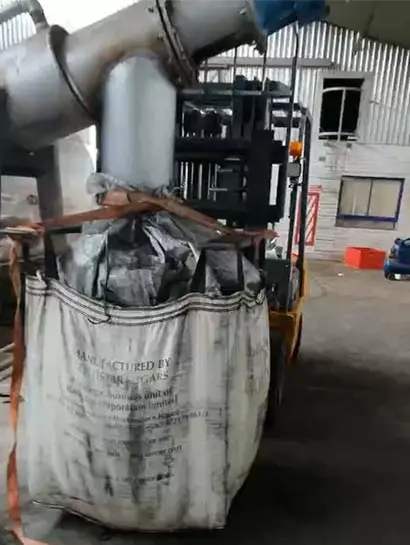
- Carbon Black Deep Processing and Value Addition: Through grinding, the quality and fineness of the carbon black are enhanced, making it suitable for higher-value applications such as premium rubber fillers and pigments. This process substantially increases profit margins per unit.
4. Project Achicevements
From contract signing to official operation, the project was successfully completed and delivered within 490 days, achieving significant outcomes:
- Enhanced Economic Returns: The production of high-value pyrolysis oil and upgraded carbon black has improved the project’s overall profitability, ensuring the economic sustainability of waste recycling.
- Tangible Environmental Benefits: The project reduces environmental pollution from tire stockpiles and supports local circular economy goals.
- Sustainable and Scalable Model: The diversified product and revenue structure provides a solid foundation for long-term operation and potential future expansion.