

Palm kernel shell charcoal machine converts palm kernel shells into high-quality charcoal, achieving efficient resource utilization. It addresses storage challenges, high management costs, and safety risks caused by shell accumulation. It also creates sustainable economic value for the palm industry, ensuring that every single shell reaches its maximum potential.
Palm Kernel Shell: Ideal for Charcoal Production

- High Fixed Carbon Content: PKS contains a large proportion of fixed carbon, producing charcoal with excellencent quality.
- Dense & Hard Structure: The natural hardness of PKS produces charcoal that is less brittle, generates fewer fines, and stores/transports well.
- Low ash/dust: PKS typically has less ash powder, won’t clog pipelines of palm shell biochar machine and affect biochar quality.
- Good flowability: Palm kernel shell offers good flowability, allowing smooth and continuous feeding in hoppers.
How to Make Charcoal Using a Palm Kernel Shell Charcoal Machine?
01 Pretreatment
- Drying: Reduce the moisture content of palm kernel shells to below 10% to improve pyrolysis efficiency.
- Crushing: Crush the shells into pieces between 5–20 mm to ensure uniform carbonization and high-quality charcoal.
02 Pyrolysis
The belt conveyor continuously transports palm kernel shells into the biomass pyrolysis reactor. Under high-temperature conditions (380–450 °C) and in a low-oxygen environment, the shells decompose, producing charcoal and syngas.
03 Gas Recycling & Treatment
- Syngas Recycling: Syngas is directly recycled to fuel the reactor. Any excess syngas is safely burned in the combustion chamber to ensure environmental and safety compliance.
- Flue Gas Reuse: Part of the high-temperature flue gas is used for dryer heating, while the rest is used to insulate pipelines to prevent blockage in the carbonization equipment. After heat recovery, the flue gas undergoes multi-stage dedusting to meet EU environmental standards.
04 Charcoal Discharge
Through a water-cooled heat exchange system, the charcoal temperature is reduced to below 45 °C, allowing for safe and stable collection.
Test Report of Palm Kernel Shell Charcoal
In actual projects, we have conducted performance tests on palm kernel shell charcoal samples, with relevant data provided below. Based on this practical experience, we can offer reliable solutions for palm kernel shell charcoal projects. Contact us for professional guidance and customized solutions.
| Results: | |
|---|---|
| Kind | Palm kernel shell |
| Size | 5-20mm |
| Whole water Mt% | 2.35 |
| Analytical water Mad% | 1.32 |
| Dry basis ash Ad%7 | 7.91 |
| Volatile matter Vd% | 9.32 |
| Dry basis fixed carbon Fcad% | 77.36 |
| Sulfur content on dry basis St.d% | 0.08 |
| Coking Characteristics 1-8CRC | 1 |
| High calorific value (dry basis) kcal/kg New national standard calorimeter |
5485 |
| Low calorific value kcal/kg New national standard calorimeter method |
5265 |
| Remarks: | **℃ Out of water and oil, the highest temperature **℃ The above data is for reference only |
End-Use Applications of Palm Kernel Shell Charcoal Machine
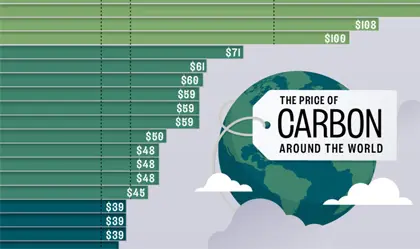
Carbon Removal
Palm kernel shell charcoal, with its high carbon content and stable chemical structure, is well suited for carbon removal applications. It supports efforts to mitigate climate change and enables investors to earn tradable carbon credits.
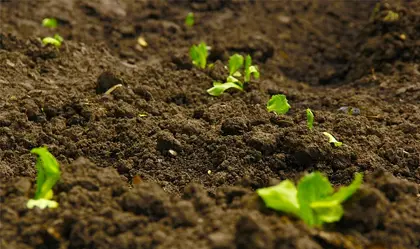
Agriculture Soil Improvement
Palm kernel shell charcoal has good adsorptivity and is rich in nutrients, making it beneficial for soil improvement. It helps improve soil structure, regulate soil pH, enhance soil fertility, and support higher crop yields.
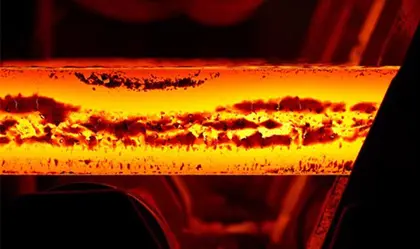
Reducing Agent in Metallurgy
In metal smelting processes, palm kernel shell charcoal helps remove oxygen from metal ores, supporting the extraction of metals such as iron and copper. It can partially replace coke and coal, lowering fossil fuel consumption and reducing carbon emissions.
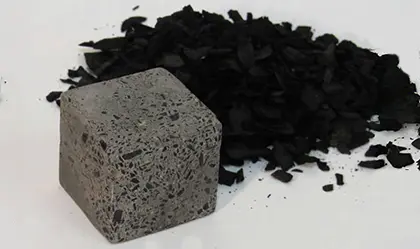
Construction Materials
Biochar can be used as a sustainable additive in concrete, bricks, and other construction materials. This helps support low-carbon and environmentally responsible building practices.

Animal Husbandry
Biochar can be used in ruminant livestock systems to help reduce methane emissions by improving rumen fermentation, supporting lower-emission animal agriculture.

Alternative Fuel & BBQ
With its high calorific value, palm kernel shell charcoal is an excellent alternative fuel. It is widely used across industries for heat generation and energy production, as well as for BBQ use.