
As global emphasis on sustainable development intensifies, pyrolysis oil is gaining increasing attention in the energy, chemical, and materials sectors. However, the commercialization of pyrolysis oil still faces challenges, such as complex feedstock sources and fluctuating product quality. In this context, ISCC (International Sustainability and Carbon Certification) has become a key framework, bridging the pyrolysis industry and the international green market, ensuring pyrolysis oil meets stringent sustainability and traceability standards.

What Is ISCC?
ISCC (International Sustainability and Carbon Certification) is a globally recognised sustainability certification system that covers all sustainable feedstocks, including agricultural and forestry biomass, biogenic wastes and residues, circular materials, and renewables. ISCC is among the world’s largest certification systems. The ISCC system is continuously developing in response to regulatory developments, market demand, and technological advancements. As of 2025, it mainly includes the following:
ISCC EU
It is recognised by the European Commission to demonstrate compliance with the sustainability criteria for biofuels and bioliquids set out in the Renewable Energy Directive (RED II) and by the United Kingdom under the renewable fuel obligation.
ISCC PLUS
It is a voluntary sustainability certification for plastics and chemicals, food and feed markets, as well as biofuels outside the European Union and the UK.

ISCC CORSIA
It is recognised by the International Civil Aviation Organization (ICAO) for the certification of CORSIA-eligible sustainable aviation fuels.
ISCC Japan FIT
It is recognised by Japan’s Ministry of Economy, Trade and Industry (METI) for the procurement of biomass fuels eligible under the Japan Feed-inTariff system. Materials cerified under this scheme can be used for the production of renewable electricity in Japan under the FIT system.
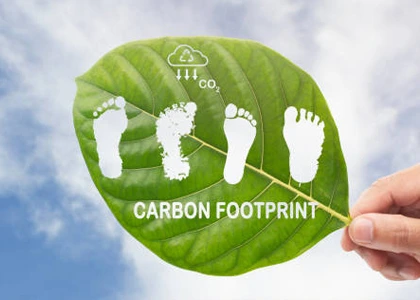
ISCC Carbon Footprint Certification
It enables the certification of product carbon footprints for various products and value chains.

ISCC Canada CFR
Environment And Climate Change Canada (ECCC) has confirmed that ISCC Canada CFR meets the requirements for certification under section 62 of Canada’s CFR. This recognition is based on the ISCC PLUS certification requirements, which will serve as the baseline for the ISCC Canada CFR certification scheme.
What Is ISCC-Certified Pyrolysis Oil?
ISCC-certified pyrolysis oil refers to pyrolysis oil products produced through sustainable methods and certified under the ISCC system. It can be certified under ISCC PLUS for entry into the sustainable chemicals market or under ISCC EU for use within the fuel system. The ISCC-certified pyrolysis oil produced by pyrolysis system complies with the following sustainability criteria:

Traceable Feedstock
The feedstock used must be traceable and derived from sustainable waste or residues, such as waste plastics or used rubber.

Standardized Processing Procedures
The pyrolysis process must adhere to the technical specifications defined by the ISCC system, ensuring that the entire production process meets sustainability requirements.

Quantifiable Carbon Emissions
The production process must comply with greenhouse gas (GHG) reduction requirements, ensuring that the carbon footprint is measurable, reportable, and provides emission reduction benefits.
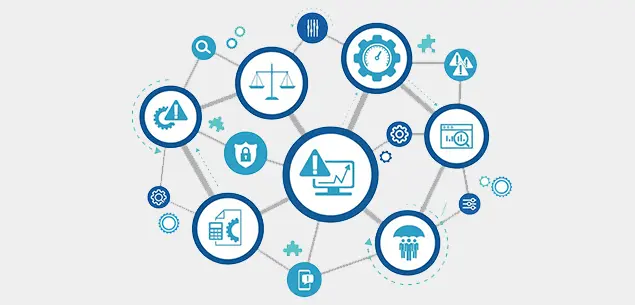
Full-chain Monitoring and Management
The entire value chain—from feedstock collection, transportation, pyrolysis processing, and product storage and distribution to end use—must be included within the ISCC system, enabling full traceability and supply chain management.
Why Is ISCC Critical for the Pyrolysis Oil?

Offer Opportunity to Enter the Global Supply Chain
ISCC-certified pyrolysis oil are recognized by major global chemical companies suc