


Biomass carbonization machine is an advanced solution for converting biomass waste into valuable biochar. It efficiently processes materials such as wood chips, coconut shells, rice husks, and crop stalks. Developed by Beston Group, this modern carbonizer embodies the principles of a circular economy, emphasizing low-carbon production and sustainable value creation. It contributes to both both environmental sustainability and economic prosperity.
Available Biomass for Carbonization Machine to Process
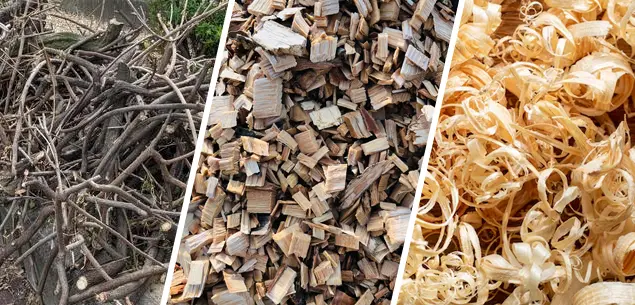
Wood-Based Biomass
- Wood chips
- Sawdust
- Tree branches, Bark, and logs
- Timber scraps
- Shavings from furniture manufacturing

Agricultural Residues
- Crop stalks (corn stalks, cotton stalks, wheat straw, etc.)
- Rice husks
- Peanut shells
- Sugarcane leaves
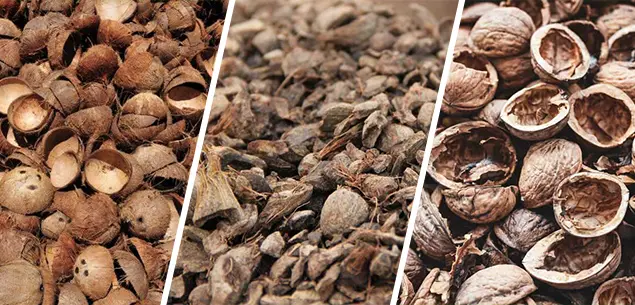
Fruit Shells and Nutshells
- Coconut shells
- Palm shells
- Walnut shells
- Almond shells
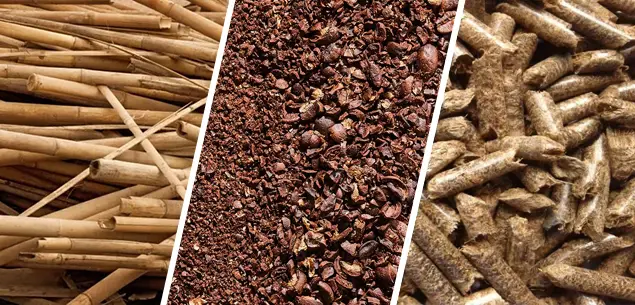
Other Organic Waste
- Bamboo residues
- Coffee grounds
- Biomass pellets or briquettes
- Distillers grains
Parameters of Carbonization Machine for Sale
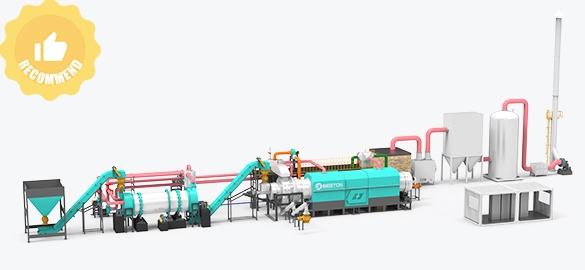
BST-50S Model
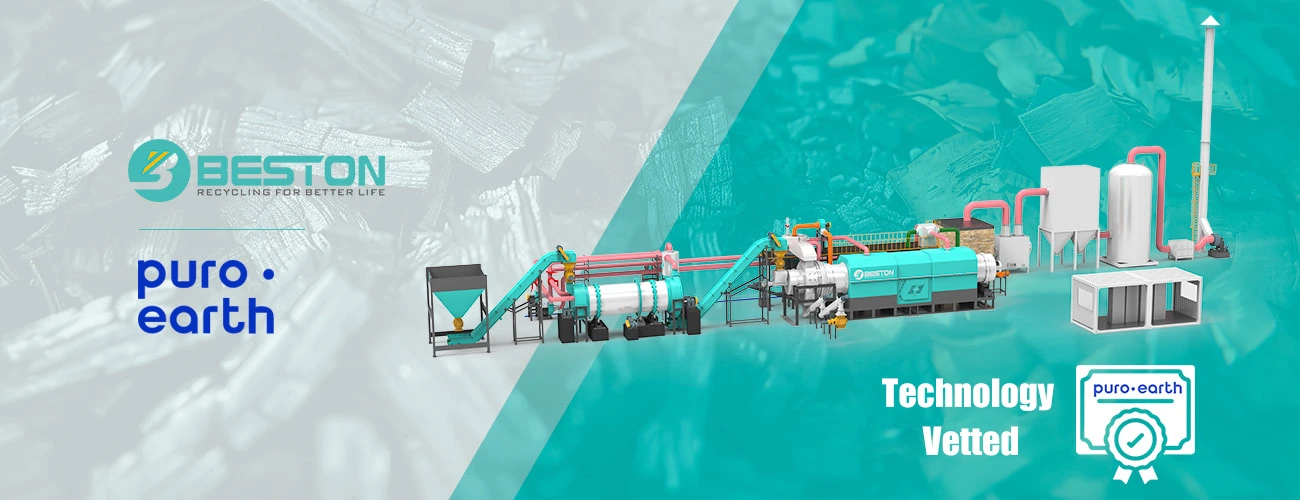
- BST-50S technology vetted by Puro.earth
- 6,000 tons biochar production annually
- 7200H/Y stable & safe operation

BST-06 Model
- 8000H/Y stable & safe operation
- Low-cost carbon removal process verification
- Small-scale test carbonizer machine (also biochar machine)
| Model | BST-50 Standard | BST-50S LM | BST-50S HM | BST-50S MAX | BST-06 Standard | BST-06MAX |
|---|---|---|---|---|---|---|
| Time to Market | 2015 | 2022 | 2022 | 2022 | 2025 | 2025 |
| Operating Mode | Continuous | Continuous | Continuous | Continuous | Continuous | Continuous |
| Application | Commercial Scale | Commercial Scale | Commercial Scale | Commercial Scale | Testing | Testing |
| Dust Removal System | Standard | Advanced | Advanced | Advanced | Standard | Advanced |
| Feeding Capacity | 10-15m³/h | 10-15m³/h | 10-15m³/h | 10-15m³/h | 100-300KG/H | 100-300KG/H |
| Biochar Discharge Temperature | 45℃ | 45℃ | 45℃ | 45℃ | 45℃ | 45℃ |
| Puro.earth Authentication Model | × | √ | √ | √ | × | |
| Maximum Pyrolysis temperature | 650℃ | 650℃ | 650℃ | 850℃ | 650℃ | |
| Service Life | 5-8 years | 5-8 years | 5-8 years | 8-10 years | 5-8 years | |
| Annual Operating Time | 7200 hours | 7200 hours | 7200 hours | 7200 hours | 8000 hours | |
| Land Space Required (L*W*H*m) | 35m×15m×8m | 65m×15m×8m | 65m×15m×8m | 65m×15m×8m | 25m*18m*6m | |
| Total Power (KW) | 201.25kW | 453.35kW | 505.35kW | 505.35kW | 129.79 | 162.79 |
| Cooling Method | Recycling cooling Water | Industrial chiller | Industrial chiller | Industrial chiller | Recycling cooling Water | Industrial chiller |
| Installation Period (Calendar Days) | 50 | 70 | 70 | 70 | 45 | 50 |
Puro.earth Technical Vetting Adds Value for BST-50S Carbonization Machine
Technical compliance with BCR standards
This verifies that the BST-50S carbonizing machine meets all technical and operational criteria required for verified carbon removal projects under the Puro.earth BCR methodology.
Biochar quality meets EBC standards
This demonstrates that the biochar produced by BST-50S carbonization equipment achieves high standards for stability, purity, and environmental safety.
Innovation Designs of BST-50S Carbonization Machine & Their Functions
6,000 Tons
biochar output per year
12,000 Tons
CO2 sequestration potential per year
7,200 Hours
stable operation annually
> 10 m³
processing capacity per hour
Tar & Wood Vinegar Self-Cleaning System
The system prevents blockages caused by tar, wood vinegar, dust, and other substances. Benefits:
- Extend the carbonization plant’s continuous running time to 720 hours.
- Comply with stricter environmental protection standards.
- Improve safety by lowering the risk of fire and dust explosions.
Dual-cylinder Rotary Carbonization Furnace
Inter cylinder for biomass drying & semi-carbonization; outer cylinder for biomass full-carbonization. Benefits:
- Produce biochar with stable and superior quality.
- Enhance the energy utilization efficiency of biomass pyrolysis plant.
- Reduce the carbonizer machine’s overall footprint and land costs.

Biochar Output Proportion and Key Applications
| Raw materials | End products | Proportion | Remarks |
|---|---|---|---|
| Raw materials with 10% moisture content | Biochar | 30% | For 1 ton of biomass (10% moisture), biochar yields ≈33.3%. If moisture >30%, biochar yield ≈ (biomass weight − moisture weight) ÷ 3. |
| Wood vinegar / Tar | 0% | Not collected; reused in the form of syngas. | |
| Syngas | 66% | ||
| Water | 2% | ||
| Dust | 2% |
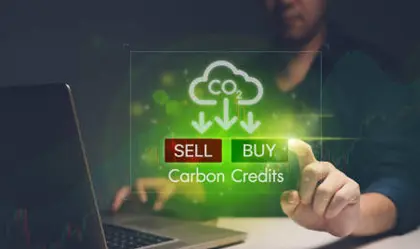
Carbon Removal
1 Ton Biochar ≈ 2-2.5 CDR Credit
1 CDR Credit ≈ $150-250
Biochar can sequester carbon in the soil for hundreds of years. Investors can earn Carbon Dioxide Removal (CDR) credits to trade.

Agriculture Soil Improvement
Biochar improves soil structure, enhancing aeration, water retention, and nutrient-holding capacity; it also adsorbs harmful substances, promotes microbial activity, and ameliorates acidic soils, thereby increasing crop yields.

Construction Materials
Biochar can be used as an additive in building materials to improve the lightness, thermal insulation, and durability of concrete or bricks. As a low-carbon material, it also enhances the environmental friendliness of buildings.
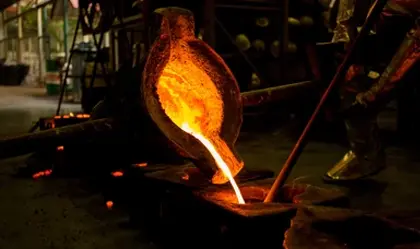
Reducing Agent in Metallurgy
Biochar can effectively reduce metal oxides during the smelting process, improving metal recovery efficiency. It can serve as an alternative to traditional reducing agents such as coke, charcoal, and coal.
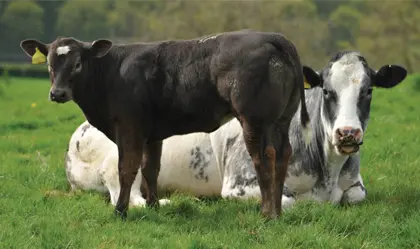
Biochar Animal Feed
Adding biochar to the feed of ruminants can adsorb methane precursors in the rumen, reducing methane production and emissions, thereby mitigating the negative environmental impact of livestock farming.

Alternative Fuel & BBQ Charcoal
Biochar produced by the carbonizer machine has a high calorific value, making it suitable as an alternative industrial fuel for energy-intensive industries or as charcoal for BBQs.
Carbonization Process: Get Biochar from Carbonization Machine
01 Biomass Pretreatment & Feeding
Biomass is pretreated through drying and crushing to meet the feeding requirements of the carbonization furnace.
- Moisture content: ≤ 15%
- Particle size: ≤ 20 mm (ideally 5–8 mm)
A large-inclination belt conveyor transports the prepared biomass into the carbonization kiln continuously.
02 Preheating & Carbonization
The continuous carbonization furnace is preheated for approximately 60–90 minutes. Once the temperature reaches the required level, the carbonization process begins. During this process, the biomass undergoes three main phases:
- Drying Stage (around 150°C): The moisture in the biomass is evaporated by the heat supplied from the outside. The chemical composition remains unchanged at this stage.
- Endothermic Pyrolysis Stage (150-300 °C): The biomass begins to decompose and release gaseous products (such as CO, CO2, H2S, etc.), and the chemical composition of the biomass begins to change. The temperature at which different materials begin to pyrolyze is different. Materials with a low degree of deterioration also start at a lower temperature for pyrolysis.
- Carbonization Stage (300-600 °C): Polycondensation and thermal decomposition reactions dominate this stage. A large amount of volatiles is released from the biomass. Almost all products, such as tar, methanol, and ethylene, are produced in this stage. As volatiles continue to escape, the biomass gradually transforms into carbon-rich biochar.
We regularly share technical updates on LinkedIn. Feel free to follow us!
03 Syngas Recycling
During carbonization, the volatile components in biomass generate a large amount of syngas, including hydrogen (H₂), methane (CH₄), ethane (C₂H₆), and carbon monoxide (CO). This gas is purified and recycled to provide heat for the charcoal carbonization furnace. Reference Data:
- The average calorific value of biomass syngas is approximately 2,800 -3300 kcal/kg.
- Theoretically, 2-3m³ of syngas can be generated from every 1 m³ of biomass waste.
04 Cooling & Collection
The high-temperature biochar enters the discharge system, where it is cooled through a jacketed water-cooling structure. Circulating cooling water flows continuously to remove heatr from the biochar, reducing its temperature to ≤45 °C. This process effectively prevents spontaneous combustion and facilitates safe storage and transportation. Driven by the screw device, the cooled biochar is then transferred to the collection bin.
05 Gas Treatment
Flue Gas Reuse:
- A portion of the high-temperature flue gas is directed to the dryer to provide heat.
- Another portion is used to reheat the syngas pipelines and dust collector, preventing liquid by-products from condensing and ensuring continuous equipment operation.
Flue Gas Emission:
The final flue gas undergoes multi-stage purification treatment that meets EU environmental standards. This advanced flue gas dedusting technology integrates cooling, denitration, desulfurization, and wet electrostatic precipitation to achieve clean and safe emissions.
Operating Features of Carbonization Machine
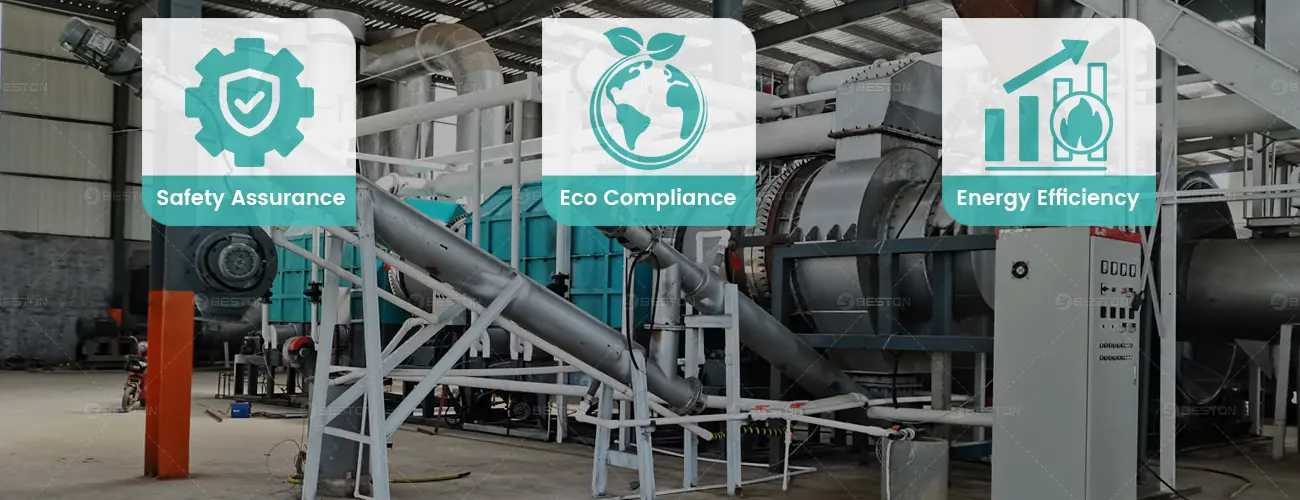
Safety Assurance
- Explosion-Proof Water Seals, Valves, Holes: Prevent gas leaks and minimize the risk of explosions or fires.
- Slight Negative Pressure Operation: Prevent overpressure within carbonization furnace.
- Alarm System in Electric Control Cabinet: Promptly issues an alarm to alert operators if any electrical fault occurs.
- Sealed Continuous Carbonization Furnace: Prevent oxygen intake, avoiding biomass burning.
Environmental Compliance
- EU Standard Dedusting Technology: Make gas emissions meet environmental standards.
- Tertiary Sedimentation Water Recycling System: Maximize water reuse and minimize environmental impact.
- Sealed Combustion Design: Ensure complete combustion of syngas and reduce CO emissions.
- Sealed Discharging Design: Prevent biochar powder dispersion, avoiding dust pollution.
Energy Efficiency
- Double-Return Heating Structure: Double the thermal utilization efficiency.
- Flue gas & Syngas Utilization: Reuse hot flue gas for material drying and recycle syngas to fuel the carbonization furnace, reducing fossil fuel consumption.
- 720h Continuous Operation Capability: Minimize energy loss from frequent start-ups and shutdowns of the carbonizer machine.
- PLC Intelligent Control: Offer real-time data feedback for optimized machine operation.
Case Studies: Global Applications of Carbonization Machines
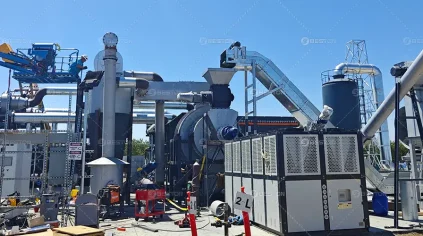
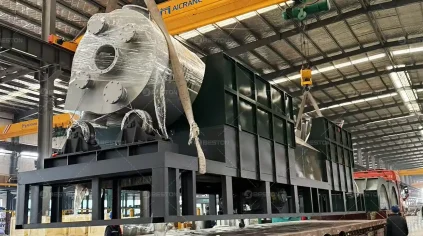

Showcase Collection of Biomass Carbonization Machine

Wood Charcoal Making Machine

Sawdust Charcoal Making Machine

Coconut Shell Charcoal Making Machine
Palm Kernel Shell Charcoal Machinery

Rice Hull Carbonizer
