
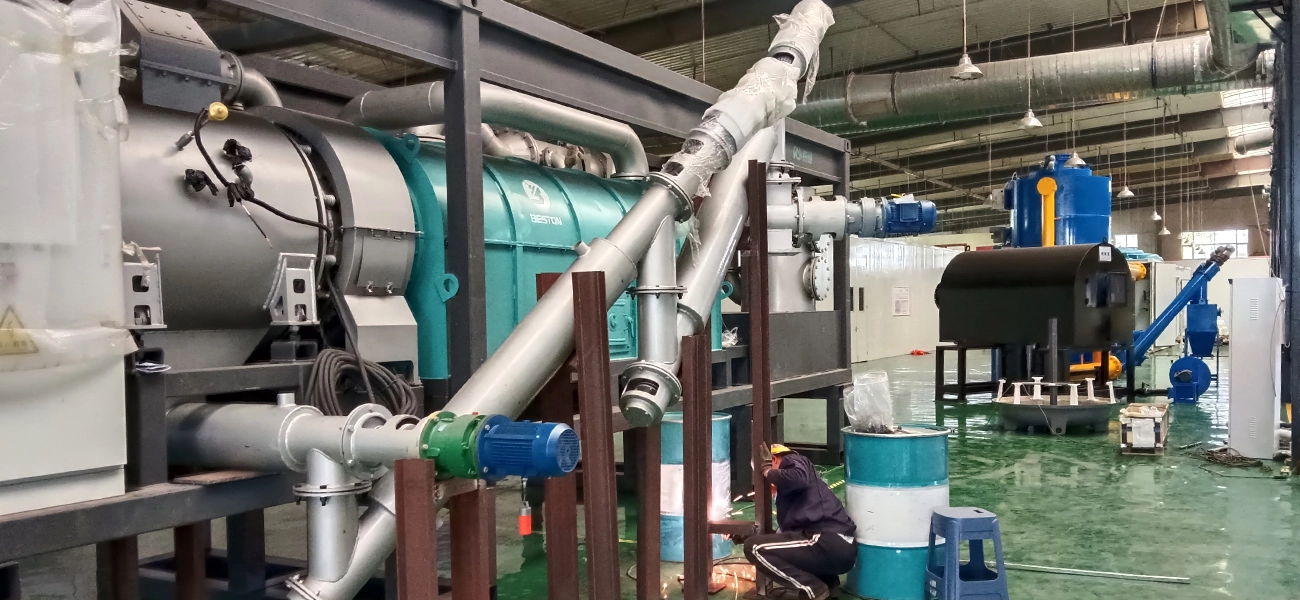
Beston Group is honored to support the implementation of a pilot agricultural waste recycling project in East Asia. Backed by local government policies, the project adopts a small-scale biochar machine to achieve efficient corn stalk processing. It sets a valuable practical reference for sustainable agricultural development in the region.
1. Project Background
This is a pilot project involving collaboration between government, enterprises, and academia, which responds to the national carbon neutrality strategy.
Customer Background
The client is an emerging high-tech energy research and development company specializing in carbon capture (CCUS) and energy storage technologies. With a renowned university professor as a partner, they proposed “green production for full agriculture chain” and “waste-to-value green energy concept”. This project is supported by local government funding to establish a regional industrial benchmark.
Customer Requirements
To verify the feasibility of their green concept, the client seeks a reliable biochar machine with advanced carbonization technology. Their key concerns include:
- Equipment performance
- biochar output quality
- exhaust emission situation
2. Solution and Project Details
Model Configuration
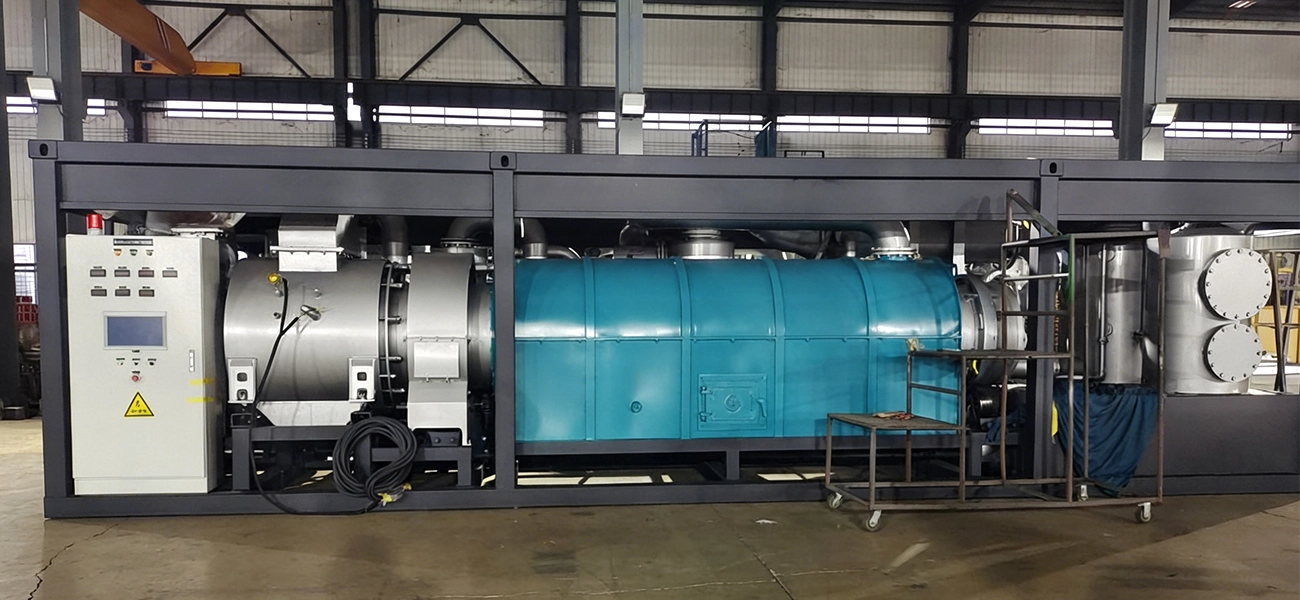
- Model: Small-scale biochar machine
- Process capacity: 0.3-0.5m³/h
- Working method: Continuous
- Key Features: Easy installation, fast delivery, small capacity suitable for testing purpose
Project Information
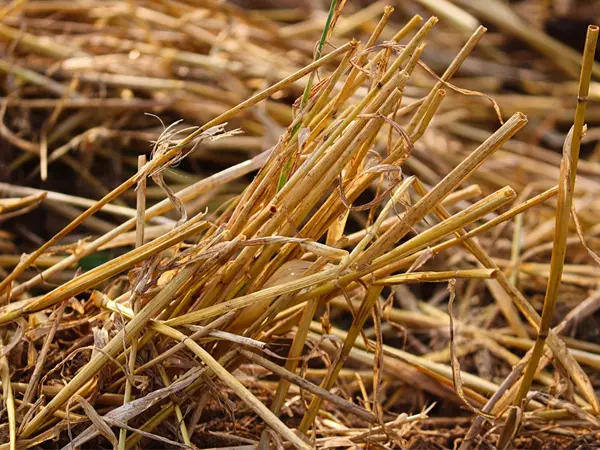
- Raw material: Crushed corn stalks (price approx. RMB 500 per ton)
- Product Application: Verify the feasibility of converting crop straw into high value carbonized products.
- Installation time: 14 days
3. Field Commissioning & Operational Testing
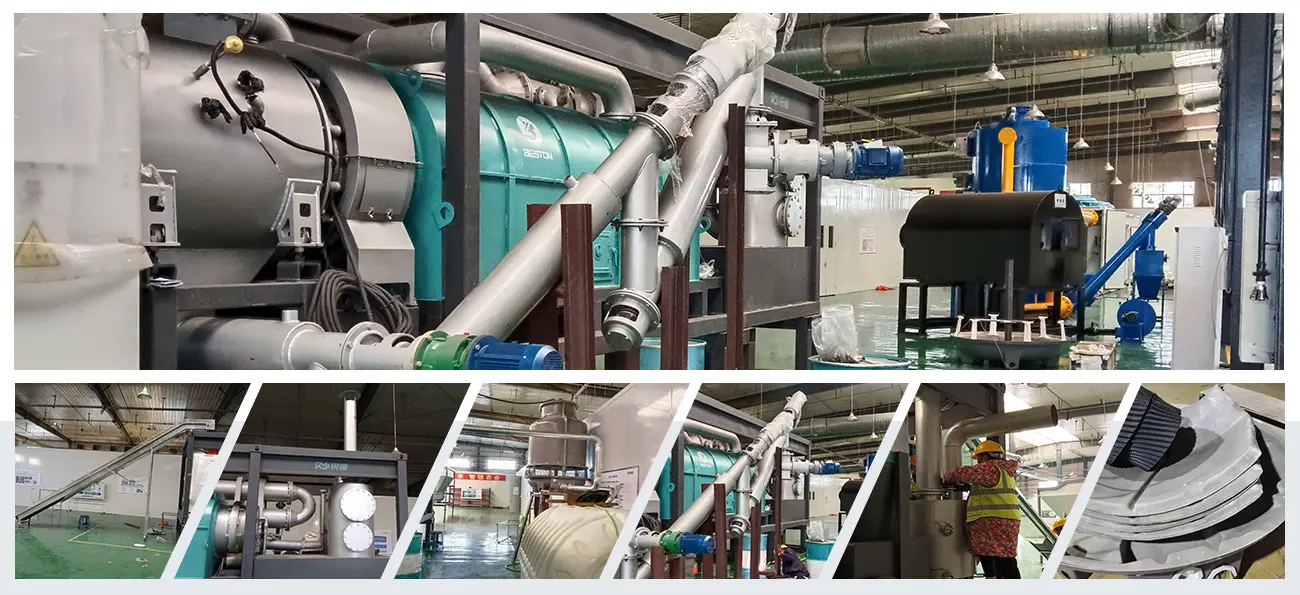
The project has successfully completed the commissioning phase. Testing has primarily focused on ensuring stable machine operation and high-quality biochar output, with overall progress proceeding in an orderly manner.
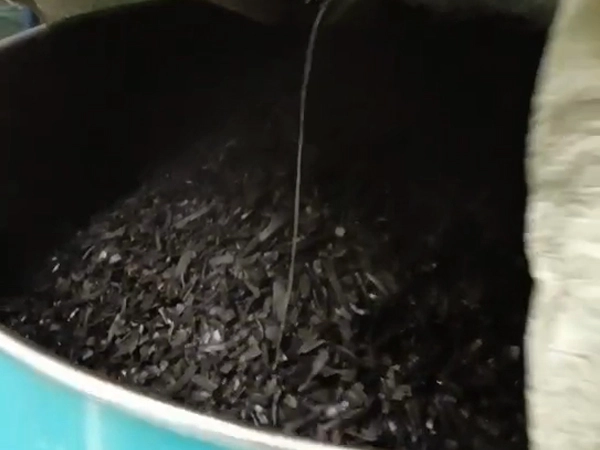
May 23, 2025: No-load Test
- Scope: No-load tests conducted on the feeding screw, airlock, reactor, induced draft fan, and cooling tower fan.
- Issue & Resolution: Reverse rotation was detected in the cooling tower fan; the wiring was adjusted immediately.
- Personnel: 1 general laborer on-site.
May 25, 2025: No-load Test
- Morning: A water leak was identified on the water-cooled discharge screw during the no-load test. Adjustments were made immediately.
- Afternoon: The biochar machine ran smoothly with no water leakage. Continued observation to be carried out the following day.
May 26, 2025: Load Test
Initial checks showed all systems normal; no issues were found.
-
- 11:38 AM: System ignition.
- 1:15 PM: Flue gas outlet reached 282°C; syngas reached 152°C. Started feeding corn stalk.
- 1:52 PM: Biochar output began. Due to insufficient air supply from the burner, the production temperature was low. As a result, the outer husk of the stalks was not fully carbonized, though leaves and pith were fully carbonized.
- 2:07 PM: Ceased feeding.
- 8:10 PM: System shutdown after cooling.
- Follow-up: The burner was promptly recalibrated and adjusted.
- Personnel: 1 Site Manager and 2 general laborers.
May 28, 2025: Load Test & Municipal Visit
- Event: The client hosted an official launch event, inviting city officials and corporate representatives to visit the facility.
- Operations: Successfully completed the second load test. The equipment maintained stable performance for a cumulative runtime of 4 hours and 15 minutes. The client was satisfied with the biochar quality.
- Personnel: 1 Site Manager and 2 general laborers managed the operations.
Long-term Impact
This project transcends standard equipment procurement, embodying a synergy of policy, industry, and academia. By transforming agricultural waste into high-value resources, it provides a proven “Waste-to-Value” model for the green economy. As a regional demonstration site, this successful operation paves the way for future biomass recycling initiatives and a sustainable agricultural value chain.