
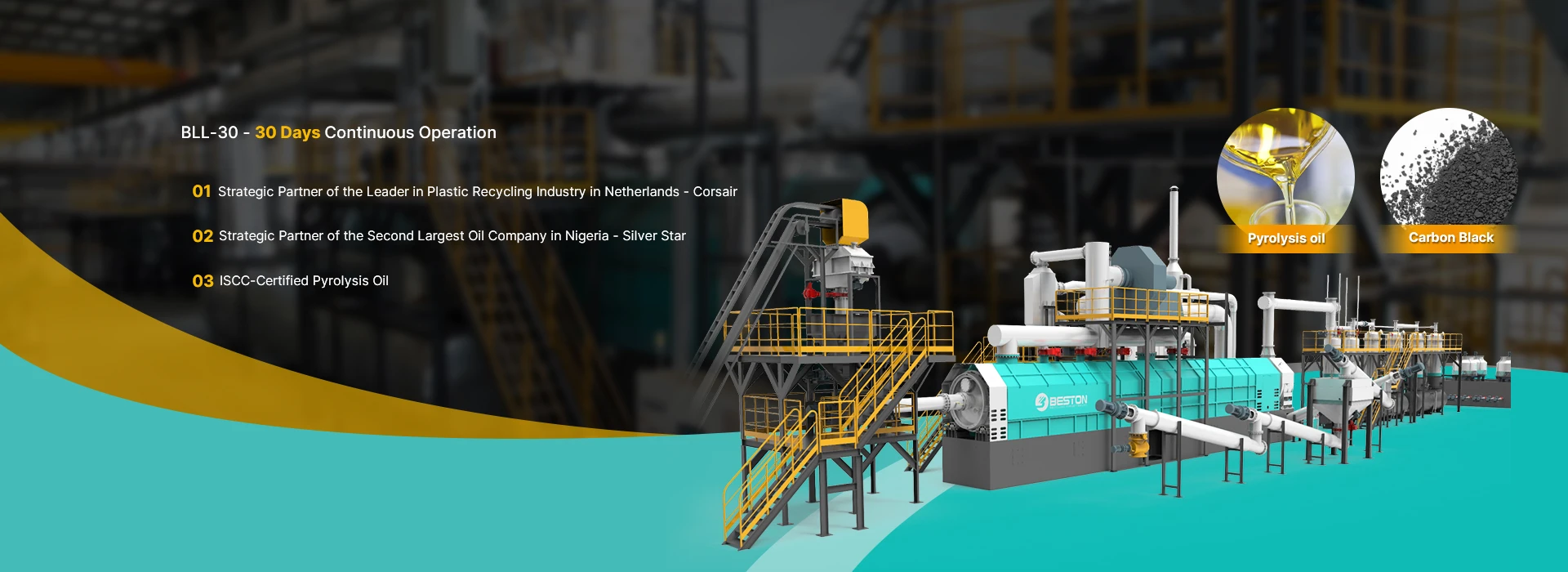

A continuous pyrolysis plant breaks down waste like rubber and plastic without oxygen, running 24 hours a day to turn waste into fuel oil, carbon black and syngas. Beston Blackgold P30 continuous model can process up to 6,000 tons of waste plastics, 10,000 tons of waste tires, or 12,000 tons of oil sludge annually. With high automation, it enables 30 days of non-stop operation. Its energy-efficient and eco-friendly features further enhance its appeal. These make it an increasingly popular choice among investors.

Continuous Pyrolysis Plant: Recycling Solution for Plastic, Tire & Oil Sludge
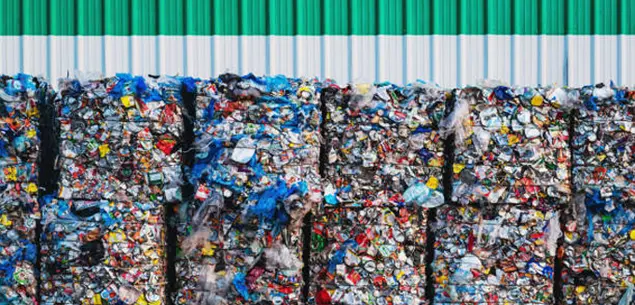
Plastic Waste
- Acceptable Feedstock: PE, PP, PS, ABS, etc. (refuse PET, PVC)
- End Products and Yield: Pyrolysis oil (40%-95%), syngas, solid residues
- Technology: catalytic plastic pyrolysis
- Annual Processing Capacity: 6,000 tons
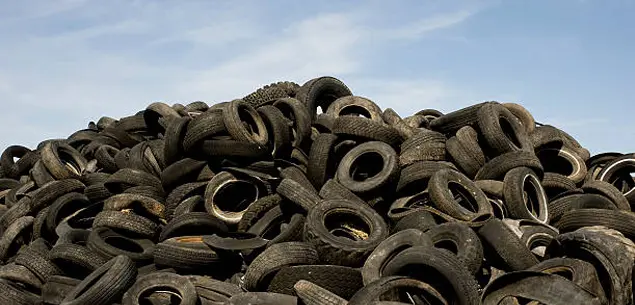
End-of-life tires (ELTs)
- Acceptable Feedstock: various tires
- End Products and Yields: pyrolysis oil (35-45%), carbon black (30-35%), steel wire (8-15%), syngas (8-15%)
- Technology: standard pyrolysis
- Annual Processing Capacity: 10,000 tons
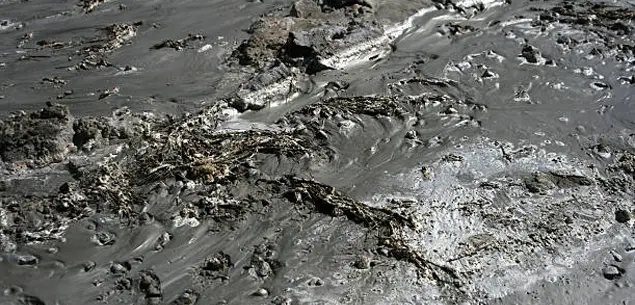
Oil Sludge
- Acceptable Feedstock: oil-contaminated soil
- End Products and Yield: pyrolysis oil, sand, water, syngas
- Technology: standard pyrolysis or catalytic pyrolysis
- Annual Processing Capacity: 12,000 tons
How Does A Continuous Pyrolysis Plant Work?
1. Continuous Sealed Feeding
A sealed, multi-stage airlock screw feeder conveys the prepared material into the main reactor. Air is strictly excluded through nitrogen inerting to maintain an anaerobic environment.
2. High-Temperature Anaerobic Pyrolysis
Inside the main reactor, the material is heated indirectly (typically between 300°C and 400°C). Under high temperature without oxygen, organic polymers break into light hydrocarbon vapors (oil gas) and solid carbon residue.
3. Oil Gas Condensation & Oil Collection
The oil gas enters the spray system, where it separates into heavy and light oil at approximately 200°C. The two fractions then flow into their corresponding oil storage tanks respectively. Non-condensable syngas is routed to a hydroseal for safety washing.
4. Syngas Recycling & Energy Recovery
The scrubbed syngas is directed back into the reactor’s combustion chamber as auxiliary fuel. This makes the plant self-sustaining during continuous operation, significantly lowering external heating costs.
5. Water-Cooled Continuous Discharge
Solid carbon black or residue is transported out of the reactor via a sealed, water-cooled screw conveyor. This cools the hot char to below 50°C before exposure to air, preventing self-combustion.
6. Flue Gas Purification & De-dusting
Exhaust gases pass through a multi-stage emission purification system—including water spray, desulfurization, and denitrification—to ensure compliance with EU environmental standards.
Parameters of Blackgold P30 Continuous Pyrolysis Plant for Sale

| Model | Blackgold P30 |
|---|---|
| Manufacturer | BESTON |
| Time to Market | 2026 |
| Motor Brand | Chinese brand |
| Suitable Raw Materials | Waste plastics; Tires; Oil sludge |
| Input Capacity (Max.) | Waste plastic pellets: 0.8-1.05t/h; Rubber powder: 1.25-1.5t/h; Oil sludge: 1.8-2.3t/h |
| Working Method | Fully Continuous |
| Final Oil Quality | Pyrolysis oil; Pyrolysis oil with wax or light oil; Gasoline blending components |
| Reactor Material | 304/310S Stainless steel |
| Reactor Life Span (Years) | 5-8 Years |
| Guarantee (Months) | 12 |
| Delivery Time (Calendar Days) | 60-90 |
| Land Space Required (L*W*H*m) | 50*20*10 |
| Packing | 20*6*3m in bulk+13*40HQ |
| Installation Period (Calendar Days) | 60-90 |
5 Technology Upgrades in Blackgold P30 Continuous Pyrolysis Plant
Self-adjusting Sealing Technology
Self-adjusting sealing design automatically adapts to thermal deformation for reliable sealing, withstanding a dynamic sealing pressure of up to 3 kPa
- Ensures safe, stable equipment operation.
- Extends the lifespan of sealing components and reduces maintenance costs.
Mechanical Decoking Structure
Utilizes continuous mechanical chain friction in the rotary reactor to effectively minimize coking.
- Ensures 720 hours of continuous operation.
- Reduces maintenance costs.
- Improves heat transfer and lowers energy consumption.
Smart Wax Oil Collection System
Utilizes steam heating to achieve precise temperature control and liquefy wax oil. Combined with a self-cleaning mechanism, it effectively