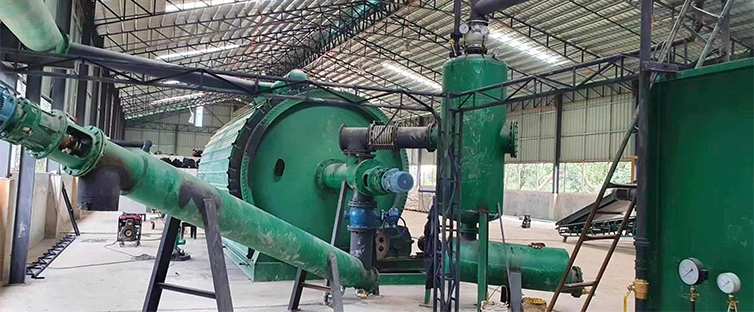
Pyrolysis plant in the Philippines supports the national circular economy plan by converting waste resources into high-value products. By processing waste plastics, tires, and oily sludge, investors can recover high-quality pyrolysis oil and carbon black to meet local industrial demand. Biomass pyrolysis produces premium biochar that strengthens agricultural resilience. Together, these solutions improve waste management and advance a sustainable future for the Philippines.
What Is Pyrolysis Technology in the Philippines: 3 Essential Elements
A pyrolysis plant in the Philippines decomposes organic materials by heating them in an oxygen-free environment. This ensures that waste is recycled into industrial resources rather than being incinerated. Three key elements of the technology include:
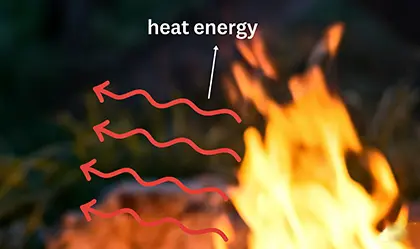
High-Temperature Condition
Heat breaks down the complex molecular chains of waste materials, producing new products. Depending on the feedstock, temperatures typically range from 300°C to 600°C. The temperature setting affects the yield and quality of final products.
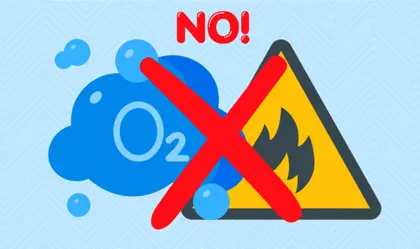
Oxygen-Free Conditions
Unlike traditional incineration (burning), pyrolysis occurs in a sealed, anaerobic reactor. Without oxygen, the material cannot combust into ash and CO2. Instead, the chemical energy is preserved and captured as high-value commodities such as oil or char.
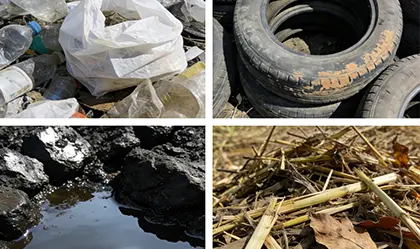
Organic Materials
Pyrolysis requires carbon-based “organic” inputs. In the Philippines, these primarily include end-of-life tires (ELT), waste plastics, and oily sludge, as well as abundant agricultural residues like coconut shells and rice husks.
Pyrolysis Needs in the Philippines: Analysis of 4 Key Waste Streams
The Philippines is facing an escalating waste crisis driven by rapid urban expansion. As landfills approaches its limits, pyrolysis technology has become a critical infrastructure component for the transition toward a circular economy.
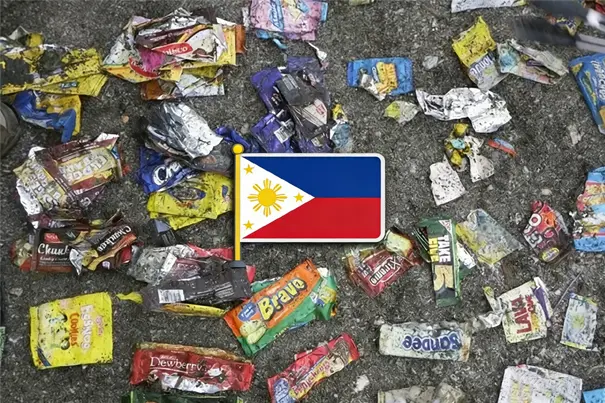
Plastic Pollution Crisis
The Philippine retail market relies heavily on single-use flexible packaging (sachets) for daily consumer goods, creating a major recycling bottleneck.
- The Challenge: According to reports, the Philippines generates approximately 164 million sachets daily. These sachets consist of aluminum foil and multiple plastic layers, making them impossible to recycle via mechanical recycling
- The Solution: Pyrolysis is the viable “non-burn” chemical recycling technology that can convert plastics into pyrolysis oil. It offers a circular economy alternative to landfilling or marine pollution in sensitive areas like the Verde Island Passage.
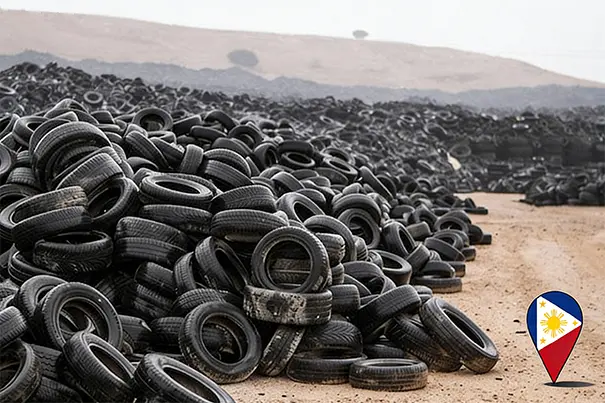
Massive Accumulation of Waste Tires (ELTs)
With the rapid expansion of logistics and transport networks across Luzon and Visayas, the generation of End-of-Life Tires (ELTs) has surged, creating a significant disposal challenge.
- The Risk: Improper tire stockpiling in tropical regions presents a public health risk by providing breeding grounds for disease-carrying mosquitoes.
- The Solution: Pyrolysis plant in the Philippines converts tire waste into high-valoric pyrolysis oil, carbon black and steel wire, turning a waste liability into an industrial asset for the Philippine market.
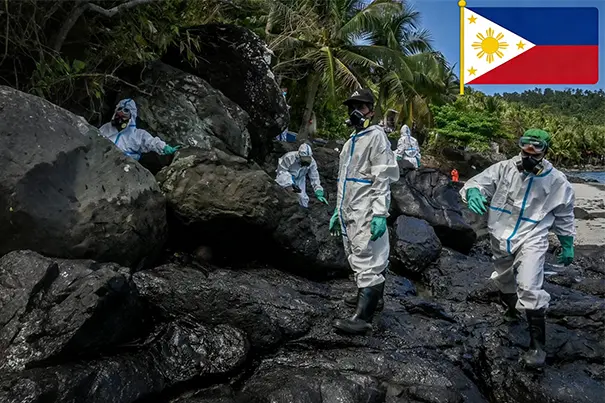
Maritime & Industrial Oil Sludge Management
The Philippines is an archipelagic nation with a large shipping industry. Ship bottom sludge is common in major ports including Manila, Batangas, and Cebu.
- Regulatory Pressure: Under the Toxic Substances and Hazardous and Nuclear Wastes Control Act (RA 6969), oil sludge is classified as Hazardous Waste. The DENR strictly monitors disposal, and non-compliance leads to severe legal and financial penalties for industrial operators.
- The Solution: Pyrolysis provide a harmless treatment solution that recovers usable fuel oil. This technology mitigates environmental liabilities for port authorities, shipyards, and energy providers.
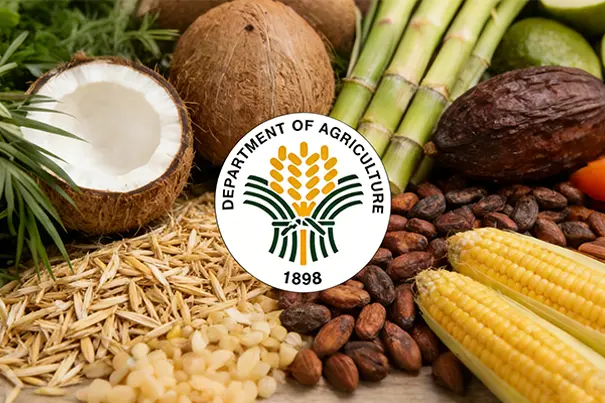
Agricultural Residues
As a global producer of coconuts and tropical fruits, the Philippines generates millions of tons of agricultural biowaste each year.
- Resource Potential: Major agricultural regions including Central Luzon (rice) and Mindanao (corn, coconut and various fruits) produce vast volumes of coconut shells, rice husks, corn stalks and more.
- The Solution: A biochar machine converts agricultural waste into high-quality biochar through pyrolysis. Biochar serves as a premium soil amendment for local plantations to improve crop yields, aligning with the Philippines’ national goals for sustainable agriculture and carbon sequestration.
Policy Update: The Legal Status of Pyrolysis in the Philippines in 2026
Historically, pyrolysis technology in the Philippines faced regulatory ambiguity. However, recent years have seen a definitive shift in policy. As of 2026, the Philippines maintains a proactive and open stance toward pyrolysis. Pyrolysis is a compliant solution under the Clean Air Act (RA 8749) and the Ecological Solid Waste Management Act (RA 9003). The Department of Science and Technology (DOST) is actively promoting pyrolysis technology nationwide. A proven milestone was reached in January 2025, with the Inauguration of a DOST-supported tire and plastic pyrolysis facility in Misamis Oriental.
Regional Cases: Pyrolysis Projects in the Philippines and Southeast Asia
Tyre Pyrolysis Plant in the Philippines
- Capacity: 12–16 t/d; 4,000 tons of waste tires annually
- Equipment Model: BLJ-16
- Pyrolyis Oil Use: Sold as industrial fuel