Fully Continuous Pyrolysis Plant

Continuous Pyrolysis Plant Banner

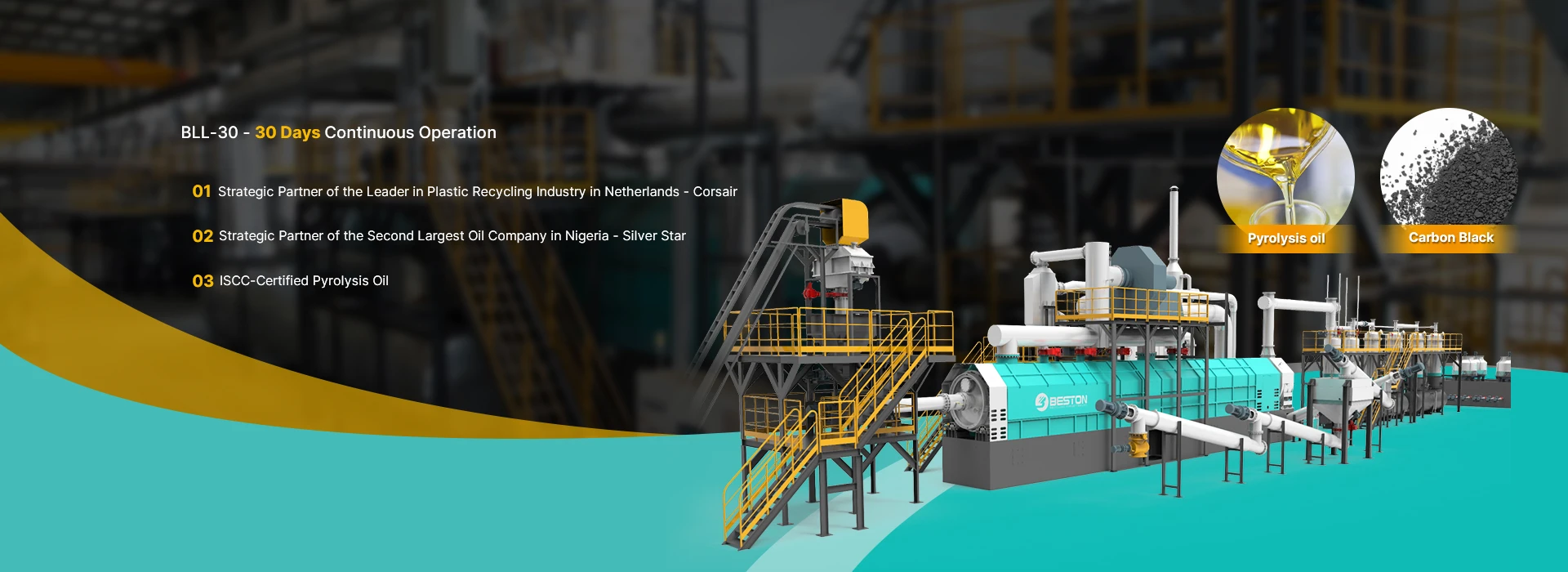
A continuous pyrolysis plant breaks down waste like rubber and plastic without oxygen, running 24 hours a day to turn waste into fuel oil, carbon black and syngas. Beston Blackgold P30 continuous model can process up to 6,000 tons of waste plastics, 10,000 tons of waste tires, or 12,000 tons of oil sludge annually. With high automation, it enables 30 days of non-stop operation. Its energy-efficient and eco-friendly features further enhance its appeal. These make it an increasingly popular choice among investors.

Blackgold P30 Continuous Pyrolysis Plant Site
Blackgold P30 continuous pyrolysis plant operates non-stop for 30 days per cycle, achieving 300 days of stable operation annually. (Credit: Beston Group)

Continuous Pyrolysis Plant: Recycling Solution for Plastic, Tire & Oil Sludge
Plastic Waste to Be Recycled

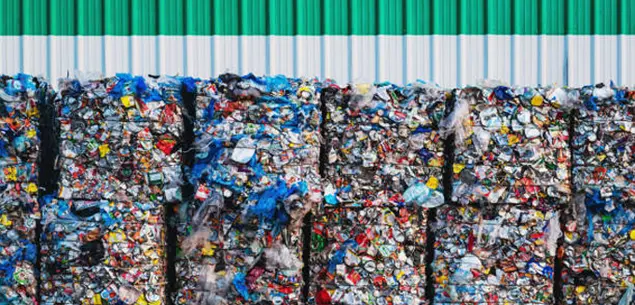
Plastic Waste

  • Acceptable Feedstock: PE, PP, PS, ABS, etc. (refuse PET, PVC)
  • End Products and Yield: Pyrolysis oil (40%-95%), syngas, solid residues
  • Technology: catalytic plastic pyrolysis
  • Annual Processing Capacity: 6,000 tons

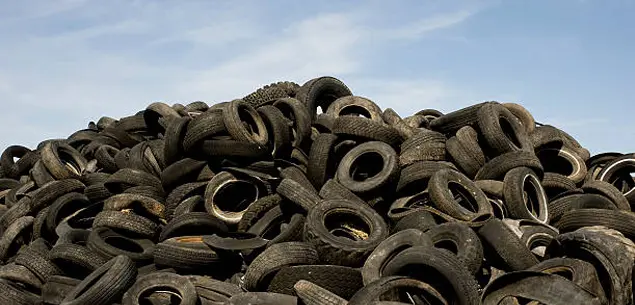
End-of-life tires (ELTs)

  • Acceptable Feedstock: various tires
  • End Products and Yields: pyrolysis oil (35-45%), carbon black (30-35%), steel wire (8-15%), syngas (8-15%)
  • Technology: standard pyrolysis
  • Annual Processing Capacity: 10,000 tons
Waste Tire to Be Recycled
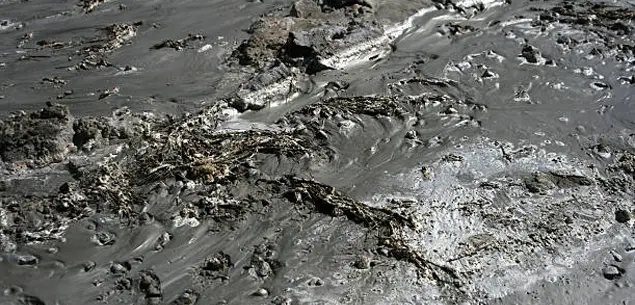
Oil Sludge to Be Treated

Oil Sludge

  • Acceptable Feedstock: oil-contaminated soil
  • End Products and Yield: pyrolysis oil, sand, water, syngas
  • Technology: standard pyrolysis or catalytic pyrolysis
  • Annual Processing Capacity: 12,000 tons

How Does A Continuous Pyrolysis Plant Work?

1. Continuous Sealed Feeding

A sealed, multi-stage airlock screw feeder conveys the prepared material into the main reactor. Air is strictly excluded through nitrogen inerting to maintain an anaerobic environment.

2. High-Temperature Anaerobic Pyrolysis

Inside the main reactor, the material is heated indirectly (typically between 300°C and 400°C). Under high temperature without oxygen, organic polymers break into light hydrocarbon vapors (oil gas) and solid carbon residue.

3. Oil Gas Condensation & Oil Collection

The oil gas enters the spray system, where it separates into heavy and light oil at approximately 200°C. The two fractions then flow into their corresponding oil storage tanks respectively. Non-condensable syngas is routed to a hydroseal for safety washing.

4. Syngas Recycling & Energy Recovery

The scrubbed syngas is directed back into the reactor’s combustion chamber as auxiliary fuel. This makes the plant self-sustaining during continuous operation, significantly lowering external heating costs.

5. Water-Cooled Continuous Discharge

Solid carbon black or residue is transported out of the reactor via a sealed, water-cooled screw conveyor. This cools the hot char to below 50°C before exposure to air, preventing self-combustion.

6. Flue Gas Purification & De-dusting

Exhaust gases pass through a multi-stage emission purification system—including water spray, desulfurization, and denitrification—to ensure compliance with EU environmental standards.

Parameters of Blackgold P30 Continuous Pyrolysis Plant for Sale

Blackgold P30 Continuous Pyrolysis Plant for Sale

ModelBlackgold P30
ManufacturerBESTON
Time to Market2026
Motor BrandChinese brand
Suitable Raw MaterialsWaste plastics; Tires; Oil sludge
Input Capacity (Max.)Waste plastic pellets: 0.8-1.05t/h;
Rubber powder: 1.25-1.5t/h;
Oil sludge: 1.8-2.3t/h
Working MethodFully Continuous
Final Oil QualityPyrolysis oil;
Pyrolysis oil with wax or light oil;
Gasoline blending components
Reactor Material304/310S Stainless steel
Reactor Life Span (Years)5-8 Years
Guarantee (Months)12
Delivery Time (Calendar Days)60-90
Land Space Required (L*W*H*m)50*20*10
Packing20*6*3m in bulk+13*40HQ
Installation Period (Calendar Days)60-90

5 Technology Upgrades in Blackgold P30 Continuous Pyrolysis Plant

Self-adjusting Sealing Technology

Full Safety Compliance

Self-adjusting sealing design automatically adapts to thermal deformation for reliable sealing, withstanding a dynamic sealing pressure of up to 3 kPa

  • Ensures safe, stable equipment operation.
  • Extends the lifespan of sealing components and reduces maintenance costs.

Mechanical Decoking Structure

Minimizing Coking

Utilizes continuous mechanical chain friction in the rotary reactor to effectively minimize coking.

  • Ensures 720 hours of continuous operation.
  • Reduces maintenance costs.
  • Improves heat transfer and lowers energy consumption.

Smart Wax Oil Collection System

Zero Clogging

Utilizes steam heating to achieve precise temperature control and liquefy wax oil. Combined with a self-cleaning mechanism, it effectively prevents condenser clogging.

  • 100% eliminates downtime caused by blockages.
  • Significantly reduces operating costs.

Light and Heavy Oil Fractionation System

Collect Light Oil & Non-Standard Diesel

Using an oil-gas spray system, fraction cutting of light and heavy components is completed directly at around 200°C.

  • Lower equipment investment costs by eliminating the need for additional complex distillation equipment.
  • Lower energy consumption and operating costs.
  • Improved resource utilization and maximizes the economic value of each light and heavy oil component.

High Automation System

60% Higher Production Efficiency

Blackgold P30 integrates PLC automatic temperature control (±10°C precision), automated weighing feeding, and staged condensation.

  • Minimizes manual intervention, boosting overall production efficiency by 60%.
  • Enables IoT remote monitoring and real-time operational data logging.
  • Ensures consistent quality of final product oil and carbon black.

Applications of Valuable Pyrolysis Products

Light Oil from Plastic Pyrolysis to Oil

Light Oil

Light oil is the lower-boiling-point fraction of pyrolysis oil, characterized by low viscosity and good flowability. Main applications include:

  • Refined into naphtha for steam cracking to produce ethylene and propylene.
  • Used as an industrial or laboratory solvent.
  • Used as an alternative fuel.
Non-Standard Diesel from Plastic Pyrolysis to Oil

Non-Standard Diesel

Non-standard diesel is the higher-boiling-point fraction of pyrolysis oil, with properties similar to commercial diesel but not fully meeting national standard requirements. Main applications include:

  • Used as fuel for industrial boilers, kilns, and heating systems.
  • Used as fuel for heavy-oil generator sets.
  • Used as fuel for construction and agricultural machinery.
Gasoline Blending Components from Plastic Pyrolysis to Oil

Gasoline Blending Components

Gasoline blending components are recovered from surplus non-condensable combustible gas. Its aromatic hydrocarbon content reaches 65%. Main application:

  • Used as a high-octane component for commercial gasoline blending to improve performance.
Recovered Carbon Black

Recovered Carbon Black (rCB)

rCB comes from continuous tyre pyrolysis plants, serving as a sustainable alternative to virgin carbon black.

  • Tire Manufacturing: It can be reintegrated into the tire production process, either partially replacing virgin carbon black or as a performance-enhancing filler, contributing to sustainable tire development.
  • Industrial Materials: rCB can be used in the production of cement, asphalt inks, coatings, and various industrial composites.
Syngas Generated during Continuous Pyrolysis

Syngas

Syngas is a gaseous product generated during pyrolysis, primarily composed of CO, H₂, CH₄, and CO₂. Key applications:

  • Self-Sustaining Heating: Recycled as clean fuel to power the continuous pyrolysis reactor.
  • Value-Added Synthesis: Excess syngas (particularly from plastic pyrolysis) is converted into high-value gasoline blending components via Beston’s specialized system.

Find Your Needs: Who Should Consider Continuous Pyrolysis Solution?

01Environmental Services Companies
02Waste Management Companies
03Plastics and Rubber Products Manufacturers
04Refiners and Petrochemical Producers
05Energy-intensive Enterprises (Cement, Power & Metallurgical Plants, etc.)
Environmental Services Companies

Environmental Services Companies

Aim to scale sustainable waste recycling operations, take on larger waste management projects, and maximize profit margins.

Waste Management Companies

Waste Management Companies

  • Aim to reduce waste volume and increase resource utilization.
  • Aim to reduce landfill disposal, incineration, carbon emissions, and pollution.
Plastics and Rubber Products Manufacturers

Plastics and Rubber Products Manufacturers

Looking for treatment of production scrap and off-spec materials to support a circular economy.

Refiners and Petrochemical Producers

Refiners and Petrochemical Producers

Require a stable, high-volume supply of pyrolysis oil for chemical recycling (Plastic-to-Plastic) and carbon reduction targets.

Energy-intensive Enterprises

Energy-intensive Enterprises (Cement, Power & Metallurgical Plants, etc.)

Seeking alternative energy sources to reduce rising fossil fuel costs.

Future Trend: Global Transition to Continuous Pyrolysis Plant

Continuous Pyrolysis Is the Future Trend

Comply with Stricter Global Emission Standards

With stricter regulations like the EU Industrial Emissions Directive (2.0), global oversight of industrial emissions is tightening. A continuous pyrolysis machine offers more stable reactions, cleaner operations, and easier emission compliance. This helps companies build greener factories and stay aligned with long-term policy trends.

Meet Growing Demand for Solid Waste Treatment

Accelerating urbanization is driving a steady rise in solid waste, such as plastic waste, tires, etc. Continuous pyrolysis equipment, with 30-day non-stop operation and high automation, is ideal for large-scale processing. It helps cities advance waste reduction and resource recovery goals.

Meet Market Demand for High-Quality Pyrolysis Oil

As the energy transition and circular economy progress, demand for high-quality pyrolysis oil is rising across refining, chemical, and energy sectors. A continuous tyre pyrolysis plant offers precise control over temperature and reaction time, ensuring consistent, large-scale production of high-quality oil.

Align with Low-Risk & High-Return Investment Strategy

With strong environmental benefits, continuous pyrolysis projects facilitate project approval and qualify for subsidies. The pyrolysis outputs enjoy strong market demand and high economic value. Thus, the project offers promising returns with manageable risks, increasingly becoming attractive to capital investment.

From Our Leadership

Abel Feng

“Coking and frequent shutdowns have long troubled operators in this industry. Blackgold P30 was built to solve exactly this problem. Drawing on years of field engineering experience, we integrated anti-coking design, intelligent temperature control, and automation into one system — achieving 30 days of continuous operation and 300 stable operating days a year, giving customers the reliability they need for long-term, efficient operation.”

— Abel Feng, Technical Director of Beston Group.

Matt Zhang

“The Blackgold P30 represents the future direction of large-scale industrial chemical recycling, and we are confident it will play a pivotal role in this sector. By aligning stringent environmental standards with high operational efficiency, it empowers investors to strike a seamless balance between ecological value and economic returns—turning green investment into a sustainable business engine.”

— Matt Zhang, Marketing Director of Beston Group.

Complete Support to Launch Your Continuous Pyrolysis Project

Choosing Beston Group means more than just choosing a continuous pyrolysis plant — it means choosing a one-stop solution. We understand that successful project implementation involves comprehensive coordination and compliance across multiple aspects. Therefore, we offer full-spectrum support to help you navigate project challenges with ease:

EIA Approval Support for Continuous Pyrolysis Project

Environmental Impact Assessment (EIA) Support

  • Offer technical documentation required for EIA, like emissions data and corresponding control solutions.
  • Assist clients in liaising with third-party EIA agencies to reduce communication costs.
  • Ensure compliance with environmental regulations across regions (e.g., EU standards, EPA regulations).
Safety Assessment Support for Continuous Pyrolysis Project

Safety Assessment (SA) Support

  • Provide technical documentation required for safety assessment procedures.
  • Guide enterprises in implementing effective safety management measures.
  • Support clients in completing relevant safety inspections and acceptance processes.
Additional Implementation Support for Continuous Pyrolysis Project

Additional Implementation Support

  • Site planning and layout recommendations
  • Installation, commissioning, and operational training
  • Consultation support for certification or qualification applications
  • Other after-sales service and remote technical support

Pyrolysis Project All Over the World

FAQ of Blackgold P30 Continuous Pyrolysis Plant

01 What are the feed size requirements for fully continuous pyrolysis plant?

  • Plastic Flakes / Pellets: < 20 mm
  • Tire Rubber Powder / Shreds: < 15 mm
Raw Materials Feeding Method Feeding Size
Waste Plastic Shafted Screw Conveyor Less than 20 mm
Waste Tyre Shafted Screw Conveyor Less than 15 mm
Oil Sludge (40%–60% liquid content) Shaftless Screw Conveyor /
Oil Sludge (more than 75% liquid content) Oil Slurry Pump /

02 How many workers are required to operate the continuous pyrolysis machine?

The fully continuous pyrolysis plant runs in three shifts, with a minimum 3 workers per shift: 1 central control operator, 1 feeding & slagging operator, and 1 field inspector. One welder and one electrician work on day shifts for maintenance. Total headcount: 11.

03 What is the preheating time and fuel consumption for the continuous pyrolysis plant?

The continuous pyrolysis reactor requires 3–4 hours of preheating. Feeding can start once the main reactor reaches 300–350°C. The hot air heating system is equipped with a 2.0–2.5 million kcal burner. During preheating, fuel consumption is 900–1200 L of fuel oil, or natural gas at 100–180 m³/h.

Item Value
Preheating time 3–4 hours
Burner capacity 2.0–2.5 million kcal
Fuel consumption 900–1,200 L fuel oil or 100–180 m³/h natural gas

04 Can syngas sustain the continuous pyrolysis plant itself? Is additional fuel required?

In normal operation, syngas from plastic pyrolysis can fuel the hot blast stove on its own. Only the permanent flare pilot needs a small natural gas supplement, about 11–15 m³/h.

Alternatively, the large volume of pyrolysis gas can be routed directly to the gas-to-gasoline-blending-component unit for conversion. It’s then returned to the continuous plastic pyrolysis plant as fuel. Any surplus gas goes to the flare system for burn-off.

05 What temperature can the continuous pyrolysis reactor withstand?

Available materials include 304 / 316L / 308 / 310S stainless steel.
The temperature limit for a 304 stainless steel main reactor is 600–700°C, while the 310S version can withstand up to 1035°C.

06 What is the manufacturing lead time for the Blackgold P30?

Normally, the manufacturing lead time is 100 working days.

07 What is the difference between continuous and batch pyrolysis plants?

Difference Continuous (Blackgold P30) Batch (BLJ-16)
Daily Capacity 13–30 T/D 12–16 T/D
Operation Mode 24/7 Uninterrupted continuous feeding & discharging Stop & Start (Requires cooling down after every batch)
Automation & Labor Automated PLC control; minimal labor required Manual/semi-automated; requires more labor per ton
Emission Control EU-standard dedusting system Standard dedusting system

Which one should you choose?

  • Choose Batch if you have a limited initial budget, uncertain raw material supply, or want to perform small-scale testing.
  • Choose Continuous if you have large-scale daily waste (20+ tons/day), high environmental compliance standards, or seek maximum profit margins through 24/7 continuous operation.

Get Continuous Pyrolysis Solution Now

Take the first step toward efficient recycling today! Beston Group’s continuous pyrolysis plant helps you turn waste into valuable resources while supporting your sustainability goals. Contact us now for customized solutions and expert support. Follow us on YouTube/Facebook/LinkedIn/Pinterest for regular updates.

    Contact Us

    The following items will help you identify key information about your project, which will enable us to work on a competitive solution proposal.

    Please specify your requirement by referring to the following aspects:

    1. What kind of solution will meet your demand? (Key point)

    2. What kind of end product are you planning to have? (Right solution begins from material and product)

    3. When is the project supposed to be running?

    4. Budget for machinery purchasing? (Key info for right model)

    5. Details on your raw materials and end product application.

    6. Points that you really focus on. (Customized service from our project consultant)