
In the study of biomass pyrolysis, biochar and charcoal are often confused. Although they appear similar and are both carbonaceous solids produced by heating biomass under oxygen-limited conditions, they differ significantly in production purpose, physicochemical properties, and application scenarios. Charcoal is primarily used as fuel and in industrial applications, whereas biochar is focused on soil improvement and carbon sequestration. Understanding this distinction is essential for accurately assessing the potential applications of biomass pyrolysis products.
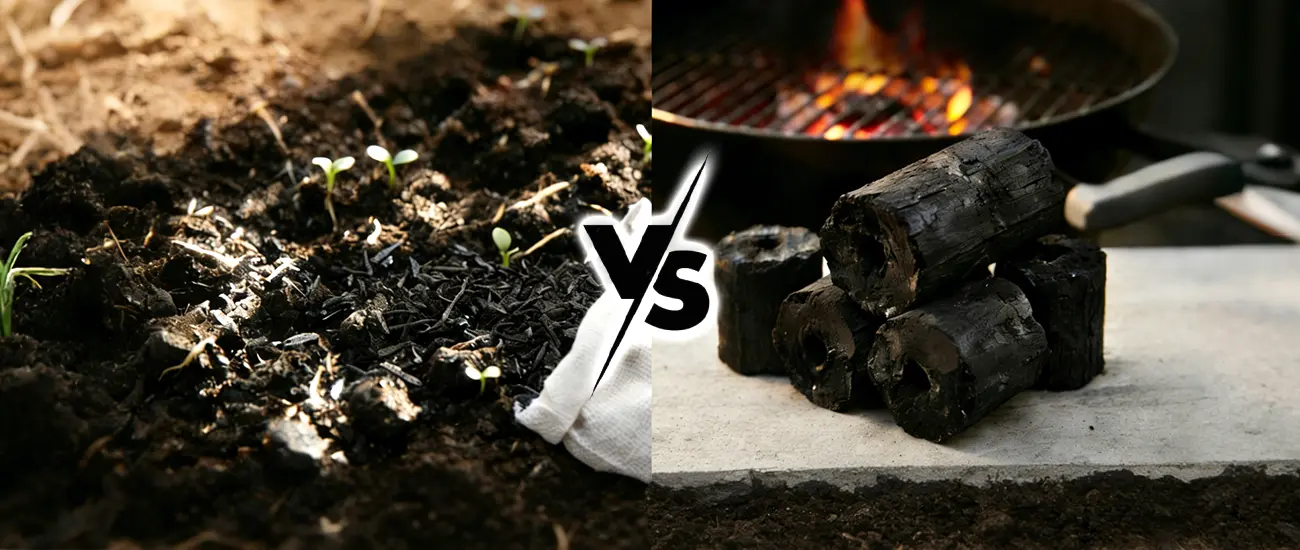
1. Difference in Application: Environmental Function vs. Energy Function
The primary distinction between biochar and charcoal lies in their intended uses. Their economic and functional values are realized differently: biochar is designed to be preserved as a permanent carbon carrier (storing carbon), while charcoal is intended to be used as an energy source (releasing carbon).
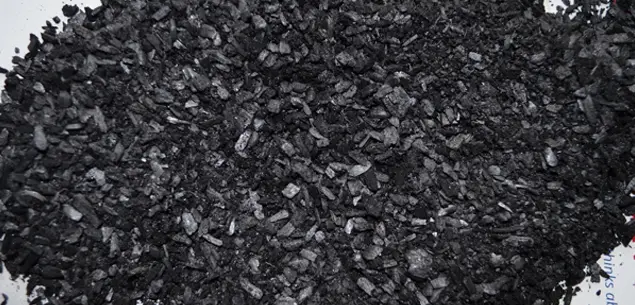
Biochar: The Functional Carbon Sink
- Definition: According to the International Biochar Initiative (IBI), Biochar is a solid material produced by the thermal decomposition of biomass (such as wood, manure, or leaves) under limited supply of oxygen (O2) and at relatively low temperatures (<700°C).
- Application Values: Mainly for Carbon Dioxide Removal (CDR) and soil health improvement
- Origin & Context: Rooted in modern environmental science and sustainable agriculture research. Biochar production is modeled after a process begun thousands of years ago in the Amazon Basin, where islands of rich, fertile soils called terra preta (“dark earth”) were created by Indigenous people.
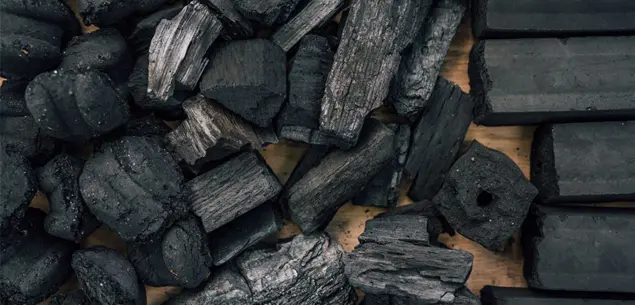
Charcoal: The High-Caloric Fuel
- Definition: Charcoal is a porous black solid, consisting of an amorphous form of carbon, obtained as a residue when wood is heated in the absence of air. By removing moisture and volatiles from raw wood through pyrolysis, carbon is concentrated to provide higher and more stable thermal energy than raw wood.
- Application Values: Mainly for fuel combustion and energy release
- Origin & Context: With a history spanning millennia, charcoal has served as a critical energy carrier for metallurgy and heating since prehistoric times.
2. Difference in Production Process: Precise Pyrolysis vs. Rough Pyrolysis
While both materials are products of thermochemical decomposition in an oxygen-depleted environment, their process control objectives are fundamentally different.
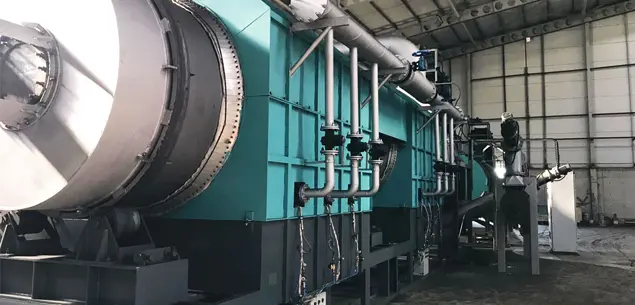
Biochar: Precise & Controlled
- Temperature and Reaction Rate: Biochar requires strict temperature control, usually between 350℃-700℃. Producers often use “slow pyrolysis” to maximize the surface area and stability of the carbon. Above 500°C: Aromaticity and specific surface area increase significantly. Below 450°C: More oxygen-containing functional groups (such as carboxyl and hydroxyl groups) are retained, resulting in higher cation exchange capacity (CEC).
- Product Control: The process usually capture and burn off “syngas” and bio-oils, ensuring the final biochar is free of resins and tars that could be toxic to soil microbes.
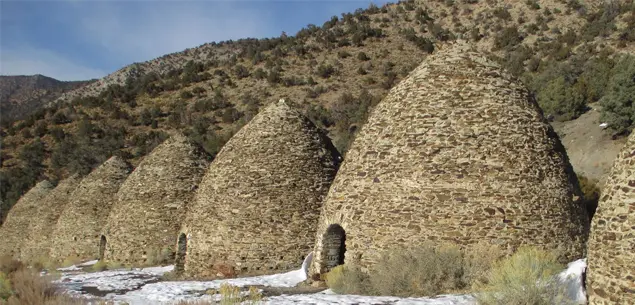
Charcoal: Rough & fluctuate
- Temperature and Reaction Rate: Charcoal production is often less precise, typically using slow pyrolysis with a relatively broad temperature range. The focus is mainly on maximizing fixed carbon yield for fuel use, with less attention to minimizing carbon reduction. Much of the world’s charcoal is made in earthen pits or basic kilns where oxygen levels and temperatures fluctuate.
- Product Control: Charcoal often retains a higher percentage of volatile organic compounds (resins/tars) because these compounds actually help the charcoal ignite more easily when used as fuel.
3. Difference in Key Physicochemical Properties
| Physical Characterization | Biochar | Charcoal |
|---|---|---|
| Porosity | Very high. Rich in micro-, meso-, and macropores. | Medium. Some pores are blocked by tar and resin residues. |
| Surface Area | Large (200–1000 m²/g). High-temperature controlled pyrolysis removes volatiles to increase surface area. | Small (50–300 m²/g). Limited by retained volatiles which reduce available surface area. |
| Hardness | Fragile. High porosity reduces mechanical strength. | Hard. Suitable for transport and storage without breaking. |
| Fixed Carbon | Medium to high (50%–85%). Focus on carbon structural stability. | Very high (75%–95%). Focus on energy content per unit mass. |
| Ash Content | High. Retains mineral elements (Ca, Mg, K, P). | Low. To reduce residue and slag after combustion. |
| Volatiles | Very low. Requires removal to prevent toxicity. | Relatively high. Retained volatiles improve ignition and burn rate. |
| H/C Ratio | Very low (<0.7). Indicates high degree of carbonization and stability. | Relatively high. Retains some hydrogen to ensure combustibility. |
| Aromaticity | Very high. Carbon chains are highly condensed into stable graphitic structures. | Medium. Contains more aliphatic carbon chains. |
| pH Value | Usually alkaline (7.5–10.5). Contains ash and minerals. | Neutral to slightly alkaline. |
| Surface Functional Groups | Rich. Contains oxygen-containing groups such as –COOH and –OH. | Scarce. High-temperature pyrolysis removes most non-carbon elements. |
| Cation Exchange Capacity (CEC) | High. Surfaces carry abundant negative charges (e.g., carboxyl, hydroxyl groups). | Low. Many functional groups are destroyed or deactivated during pyrolysis. |
| Trace Minerals / Nutrients | Contains K, Ca, Mg, P and other minerals, beneficial for soil fertility. | Low mineral content; primarily focused on combustion performance. |
| Adsorption Capacity | High. Effective at adsorbing heavy metals, pollutants, or pesticides. | Low. Designed mainly for combustion efficiency rather than adsorption. |
| Energy Density/ Calorific Value | Relatively low (18–25 MJ/kg). Lower due to high ash content and porosity. | Very high (28–33 MJ/kg). Optimized for maximum energy output. |
4. Difference in Raw Materials: Waste Upcycling vs. Selective Harvesting
Another key difference between biochar and charcoal lies in the feedstock used for production. While charcoal depends on high-quality natural resources, biochar technology focuses on the conversion of low-value waste.
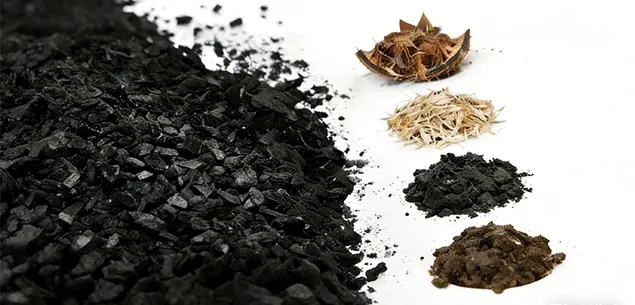
Biochar: Universal Upcycling Solution
Biochar represents a classic case of turning waste into valuable resources. Its feedstocks are diverse and widely available, including:
- Agricultural & forestry waste: crop residues, nut shells, wood chips, etc.
- Sewage sludge
- Livestock manure
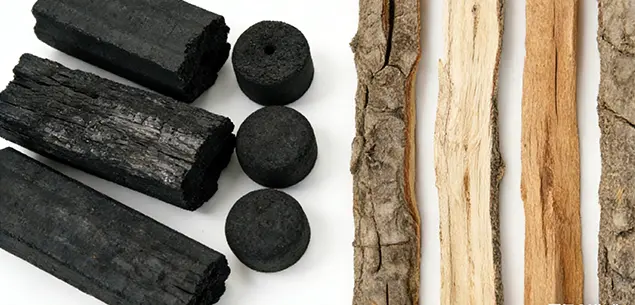
Charcoal: Hardwood Specialist
Charcoal production is much more selective, focused on maximizing energy output. To meet the demands of the energy market, it requires dense wood that burn long and clean. Common sources include:
- Hardwoods: oak, hickory, maple, and other dense woods
- Fruitwoods: apple, cherry, and similar woods prized for their steady burn and aroma
5. Why the Distinction Matters for Investment Decisions
When investing in waste-to-resource projects, confusing biochar with charcoal can lead to fundamental flaws in business models. Understanding the differences between the two is essential for evaluating project feasibility.
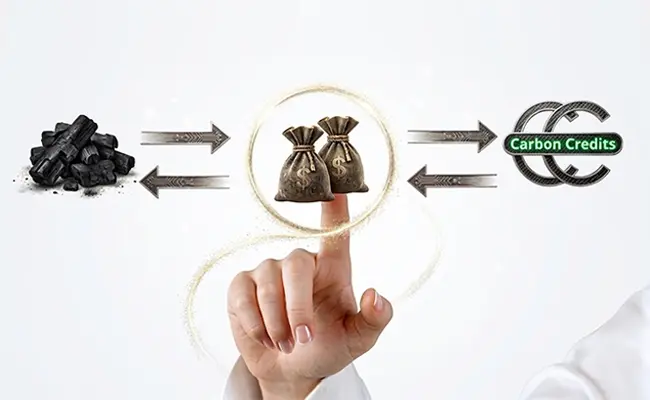
Diversified Revenue Streams
- Charcoal Projects: Profits primarily rely on physical product sales (e.g., industrial fuel, barbecue charcoal). Prices are heavily influenced by traditional energy market fluctuations, resulting in relatively transparent but highly competitive profit margins.
- Biochar Projects: High-quality biochar, produced under documented and controlled conditions, can be certified for Carbon Dioxide Removal (CDR) certificates (e.g., via Puro.earth). For many operators, the revenue from selling these “carbon credits” now exceeds the revenue from the physical char itself.
Environmental Compliance Consideration
- Biochar: Production must meet rigorous environmental and quality standards, such as the EU’s EBC (European Biochar Certificate) or the IBI (International Biochar Initiative). Investors must account for the higher CAPEX and OPEX required to maintain these certifications, which serve as the “ticket” to the carbon market.
- Charcoal: Subject to standard industrial emissions regulations. Investors need consider increasing ESG risks, as traditional wood-based charcoal may face scrutiny regarding deforestation and unsustainable supply chains.

Conclusion
In simple terms, charcoal is produced to disappear — it is burned to release energy; biochar is produced to remain — it stays in soil to bring long-term ecological benefits. This difference is more than just how we use them. It shows a basic change in how we treat biomass: from simply burning it for energy, to actively storing carbon and protecting the environment in a sustainable way. Turning our thinking from “burn it up” to “keep it in the ground” is an important step toward a low-carbon, more sustainable future.