
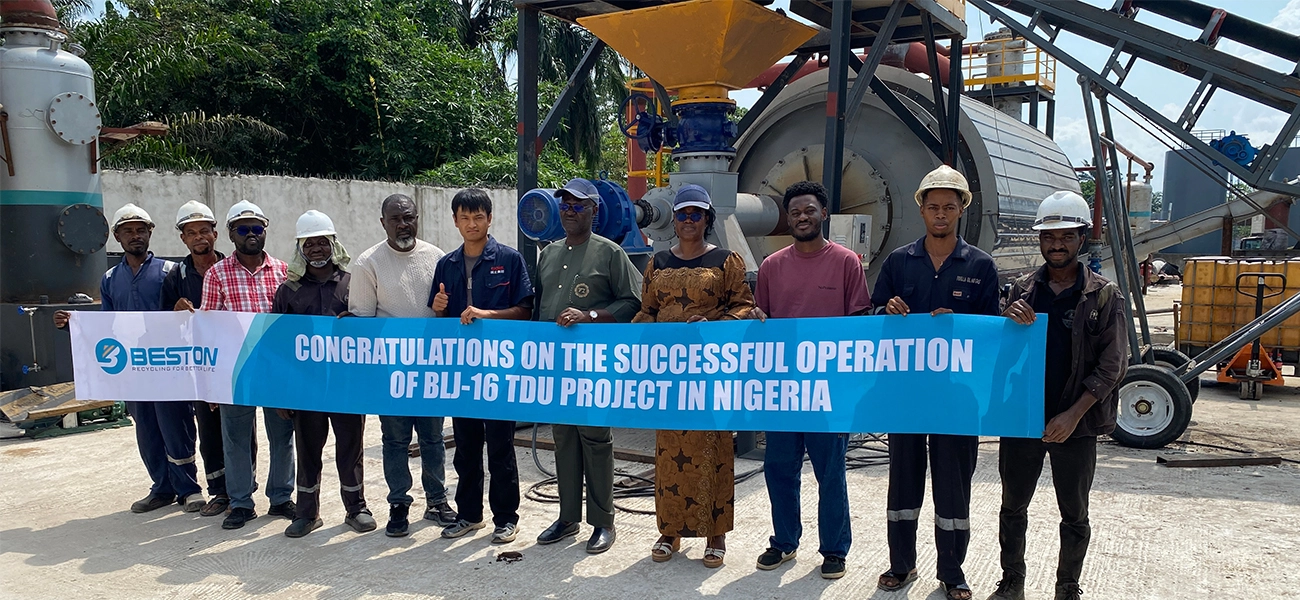
1. Project Background
Customer Industry
The customer is a medium-sized solid waste recycling and management company in West Africa.
Challenges
Before introducing the new solution, the customer mainly adopted the traditional incineration method, facing difficulties:
- Severe environmental pollution: Black smoke and harmful gas emissions from incineration lead to environmental regulatory pressure.
- Harsh operating environment: High temperature, dust and odor pose high health risks to operators.
Core Goals
The customer clearly put forward the transformation demand, seeking a TDU system that ensures environmental compliance and stable operation.
2. Solution and Project Details
Model Configuration
- Model: BLJ-16 thermal desorption unit (standard configuration)
- Process Capacity: 16-18t/batch
- Working Method: Batch
- Feeding System: Screw feeding with belt conveying
Project Information
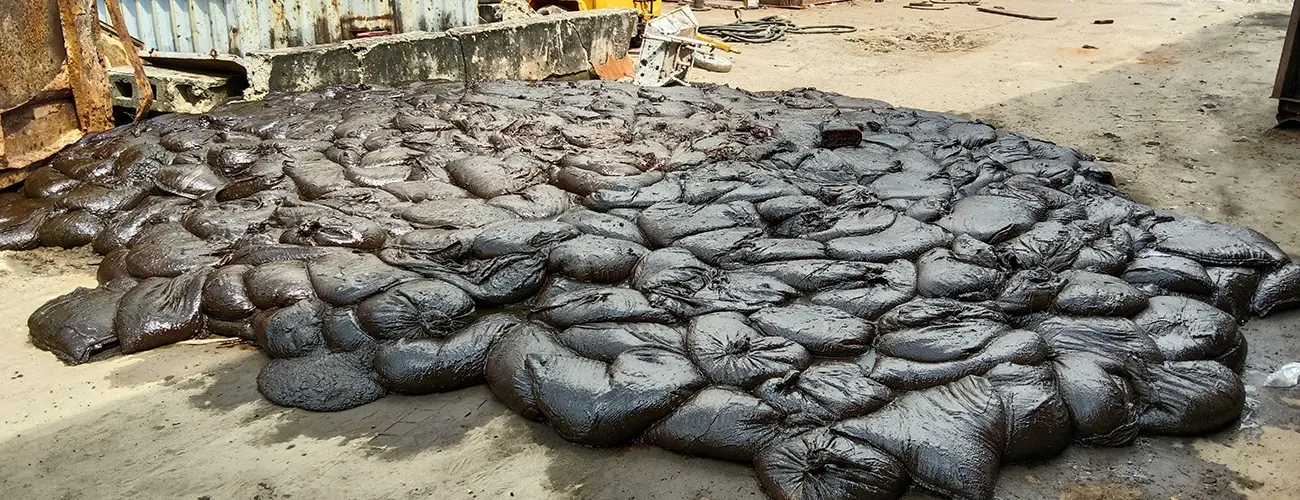
- Raw Material: Oil-based drill cuttings (moisture & oil content: ~35%)
- Product Application: Pyrolysis oil for self-consumption as fuel
- Installation Period: 43 days
- Installation Support: On-site guidance by Beston engineer
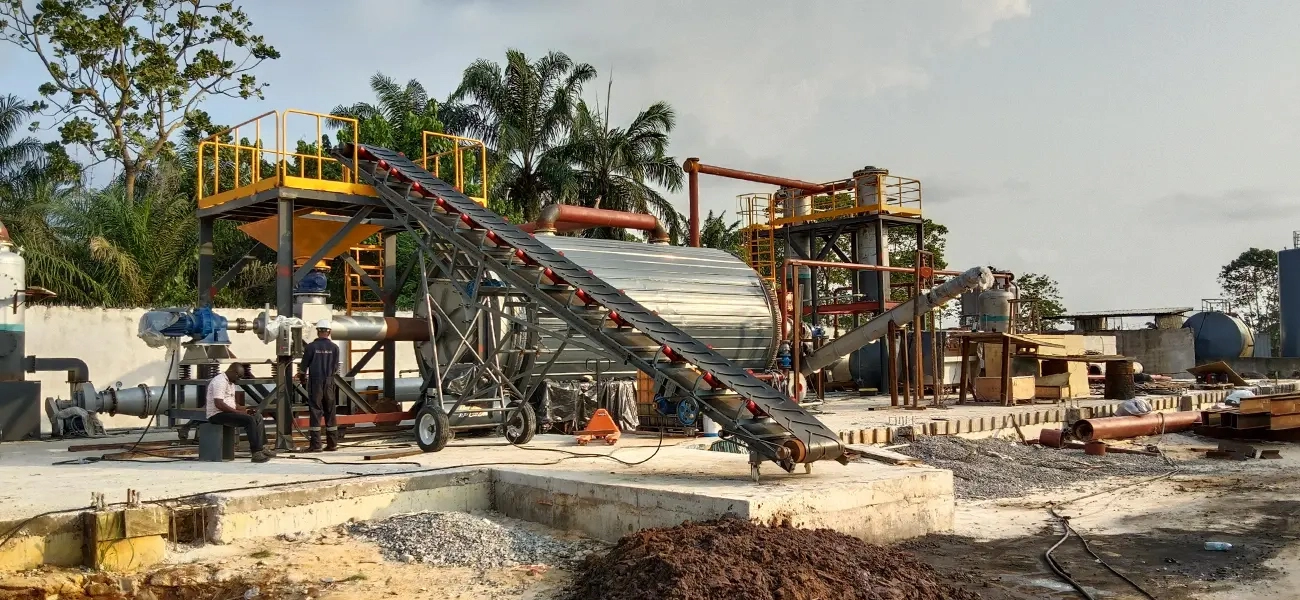
3. 43 Days On-site Guidance: Installation/Comissioning/Training
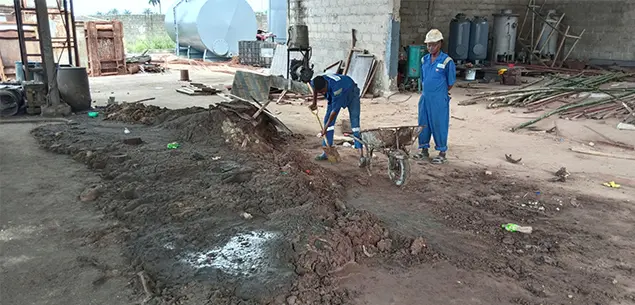
Week 1: Construction Coordination
- Site & Personnel: Finalized foundation setting-out and equipment positioning; clarified the installation plan and optimized manpower to ensure the project remains on schedule.
- Pre-assembly: Synchronized the ground welding and assembly of key components (condensers, etc.) to improve subsequent installation efficiency.
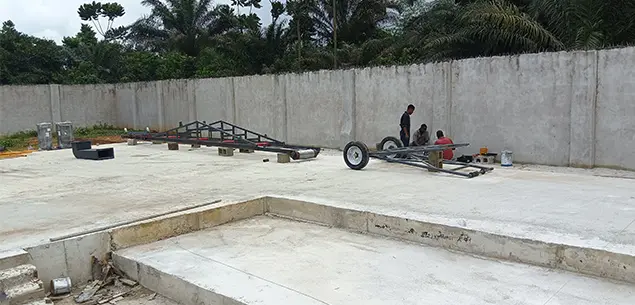
Week 2: Module Assembly
- Component Assembly: Continue assembly and welding of multiple parts, including belt conveyors, slag screws, flue condensers, etc.
- Goods Inspection & Procurement: Identified damaged or missing parts early and coordinated local procurement with the client to avoid schedule delays caused by cross-border replenishment.
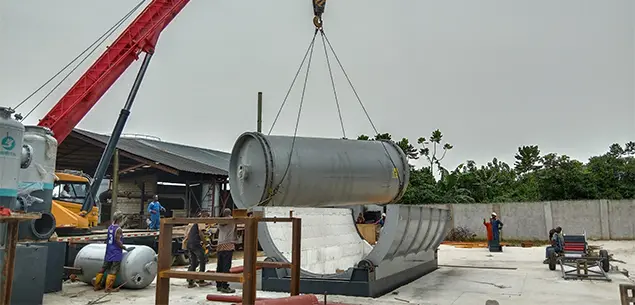
Week 3: High-precision Hoisting
- Core Equipment Hoisting: Completed hoisting of pyrolysis reactor, casing, feeding platform, oil storage tank, etc.
- Pre-assembly: Continue assembly and welding of components including belt conveyors, spray towers and water pump supports.
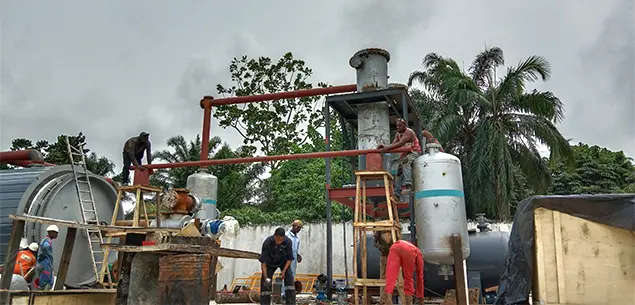
Week 4: Pipeline Construction
- Pipeline Construction: Completed construction of oil-gas pipelines, flue gas pipelines, fuel gas pipelines and oxygen supply fan pipelines.
- Site Coordination: Supervised the client and construction team to rectify delayed works; repaired deformation at the bottom of the oil-gas condenser caused by unloading.
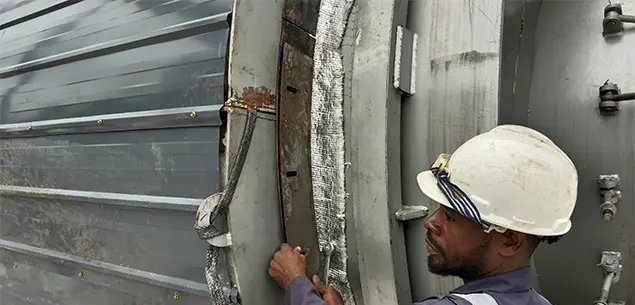
Week 5: Installation & Welding Works
- Component Installation: Completed installation of burners, air compressors, instruments, tank connections, furnace doors, slag discharge parts, etc.
- Auxiliary Welding: Carried out tack welding and full welding of spray towers, pipelines, ladders, reducers, etc.
- Electrical Preparation: Cables arrived on site; completed fabrication of electric control cabinet supports and coordinated electricians for on-site construction.