
Charcoal making machine in Australia offer significant benefits, from promoting carbon sinks to supporting sustainable agriculture. Beyond these, biochar serves as an alternative fuel and even supplements animal feed, etc. This dual contribution to both environmental sustainability and economic growth makes it a promising investment. Those interested in exploring the biochar or charcoal market can contact Beston Group for expert guidance. Read on to learn more!

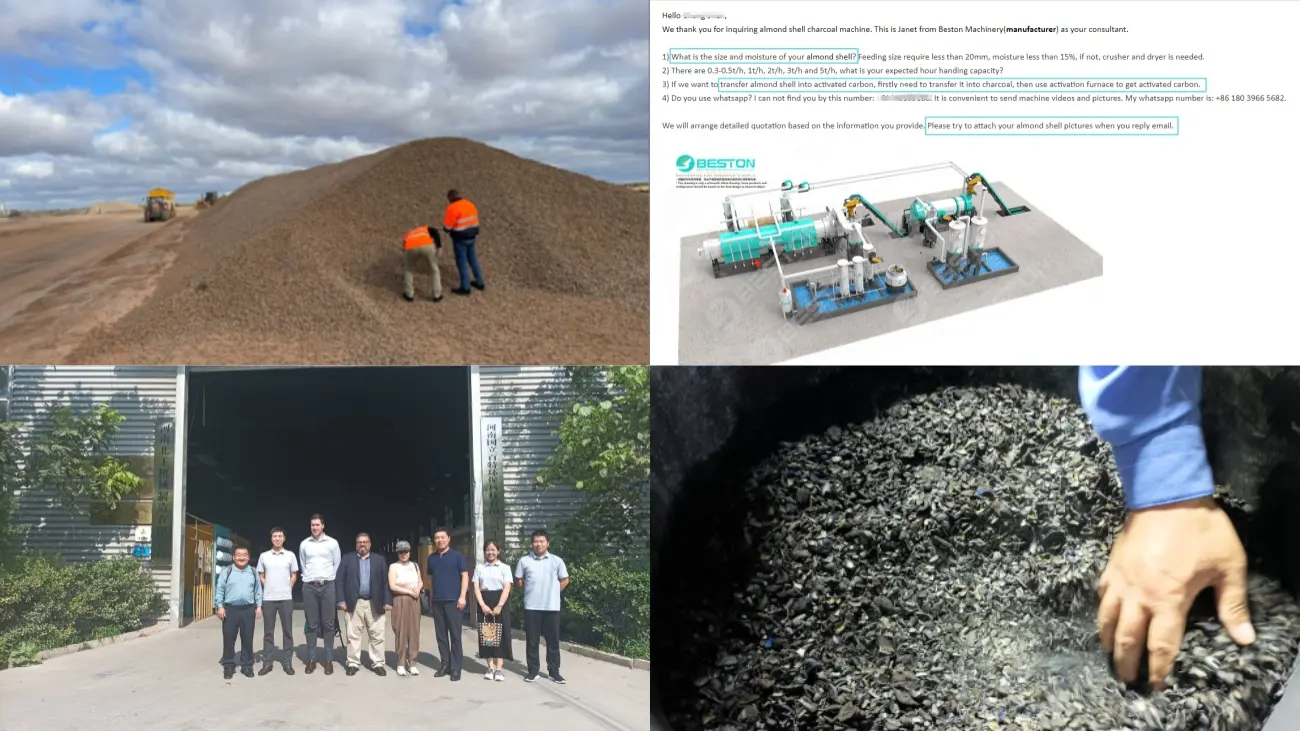
Cooperation Case: BST-50 Almond Shell Charcoal Machine in Australia
Customer Background
- Project Location: Melbourne, Australia;
- Customer needs: Turn almond shells into charcoal for sale;
- Customer Expectation: Lots of almond shells accumulate annually, producing unpleasant odors. The customer seeks an effective solution.
- Specific Requirements: The stability and safety of the charcoal machine can meet the standards set by the Australian Environmental Protection Agency (EPA).
Beston Group’s Actions
- Project Confirmation: Communicated with the customer to gather essential details like raw materials, processing capacity, and site conditions.
- Solution Proposal: Presented an initial plan including drying, crushing, and activation lines to meet the customer’s requirements.
- Technical Discussions: Detailed discussions on the layout, installation, operation, and maintenance of the BST-50 charcoal making machine. Addressed equipment accessories and utility needs (water, electricity, gas).
- Sample Testing: Conduct carbonization tests on almond shell samples and share the results with the customer.
- Customer Visits: Host customers multiple times to visit the factory, discuss material testing, and address technical details.
- Order Signing: Finalized payment terms and order documents with the customer, confirming the project agreement.
Raw Materials for Charcoal Making Machine in Australia to Process
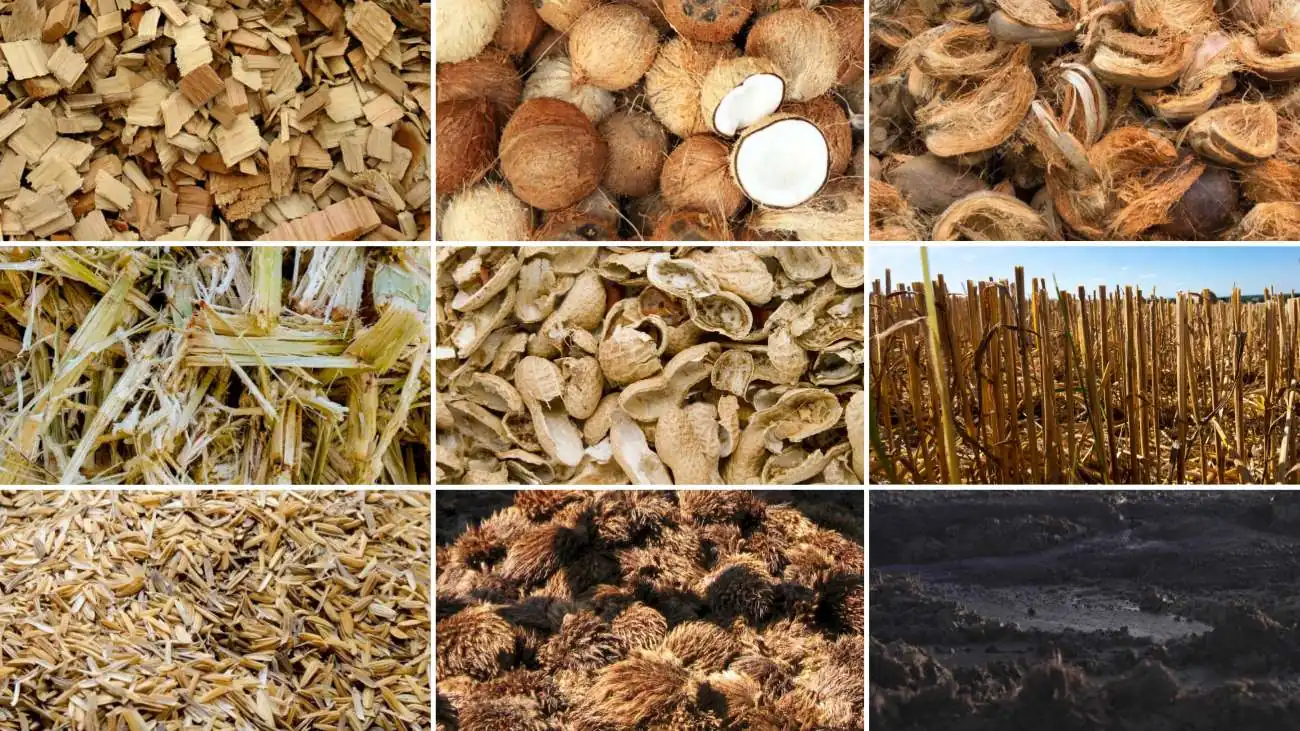
The charcoal machine in Australia can process various raw materials, primarily waste biomass and sewage sludge. Biomass materials such as wood chips, sawdust, sugarcane bagasse, rice husks, coconut shells, peanut shells, and palm kernel shells are all suitable. These abundant resources not only make the process sustainable but also help in turning waste into valuable products like biochar.
What Sector May Need to Apply Charcoal in Australia?
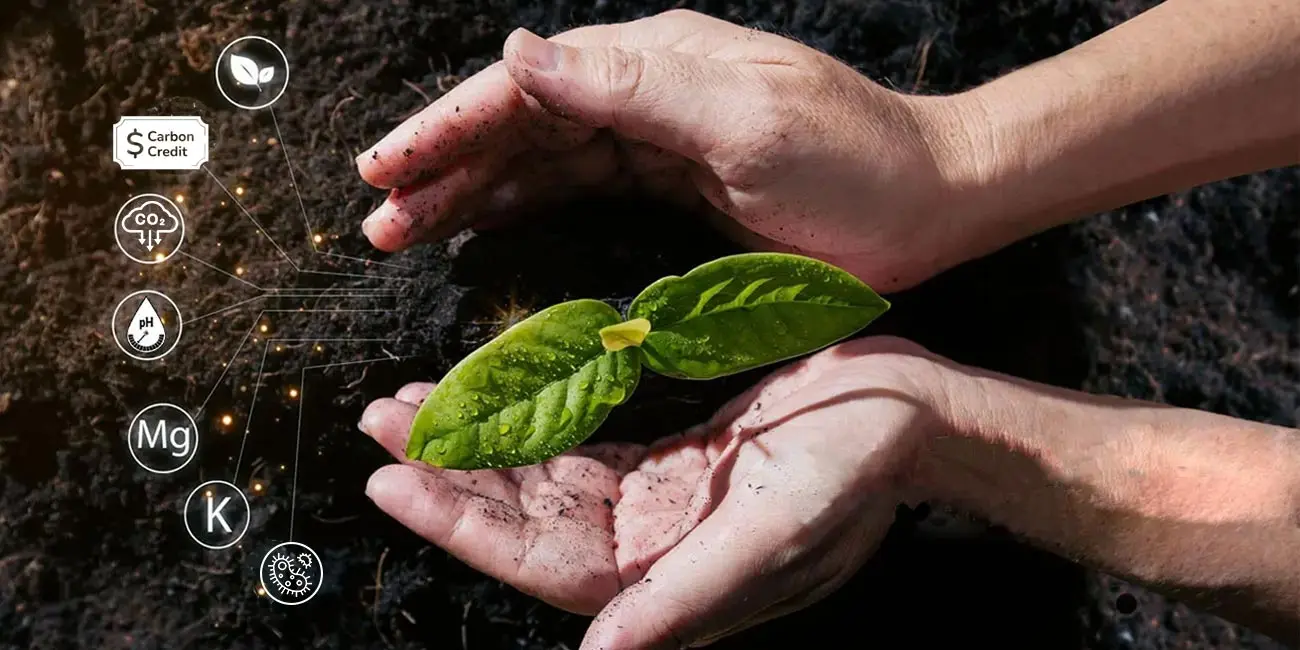
Carbon Sink/Soil Improvement – Respond to Australian Carbon Credit Unit (ACCU) Scheme
ACCU Scheme Policy:
- It is designed to avoid the release of greenhouse gas emissions or remove and sequester carbon from the atmosphere.
- It is enacted through the Carbon Credits (Carbon Farming Initiative) Act 2011 and the Carbon Credits (Carbon Farming Initiative) Rule 2015.
- 1 ACCU = 1 tonne of CO2 equivalent emissions avoided or stored
Biochar’s Function:
- Sequester carbon in the soil. This helps mitigate climate change by capturing carbon dioxide from the atmosphere and storing it in a stable form within the soil. Projects that meet the criteria potentially earn carbon credits.
- Improve soil structure and benefit plant growth. This increased plant growth helps plants absorb more CO2, indirectly promoting carbon sequestration.
Alternative Fuels Solution: Meeting Sustainable Energy Needs
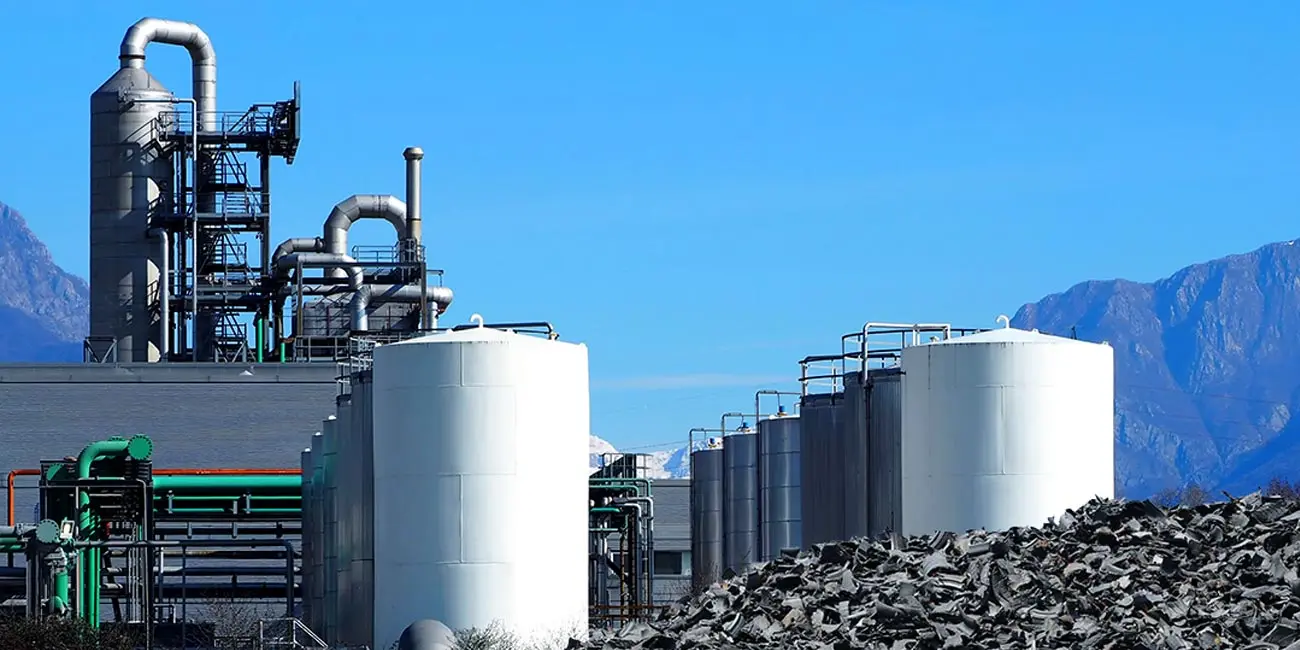
Biochar presents a renewable energy source for industries seeking alternatives to traditional fossil fuels. It can function as fuel in energy-intensive operations such as cement factories, boiler facilities, brick kilns, ceramic production, and power plants.
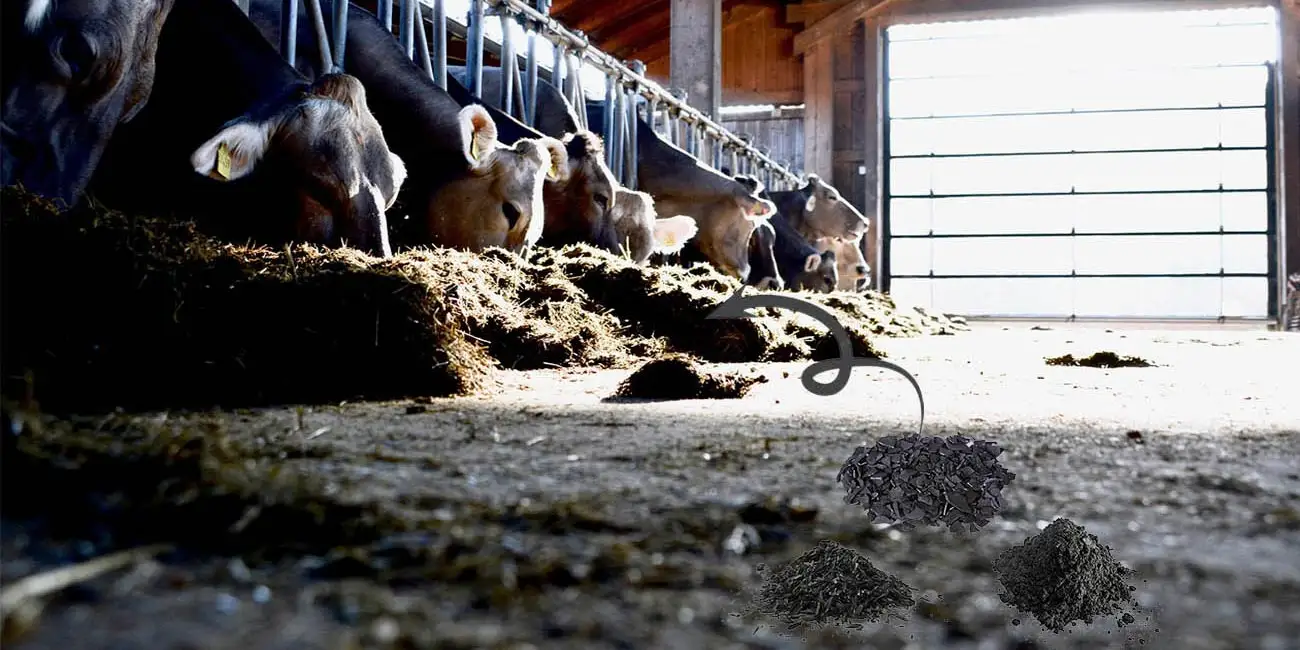
Biochar in Animal Feed: Enhancing Livestock Health
In the agricultural sector, some companies integrate biochar into animal feed to improve digestion, decrease methane emissions, and boost overall livestock health. This application supports sustainable agricultural practices and contributes to better animal welfare.
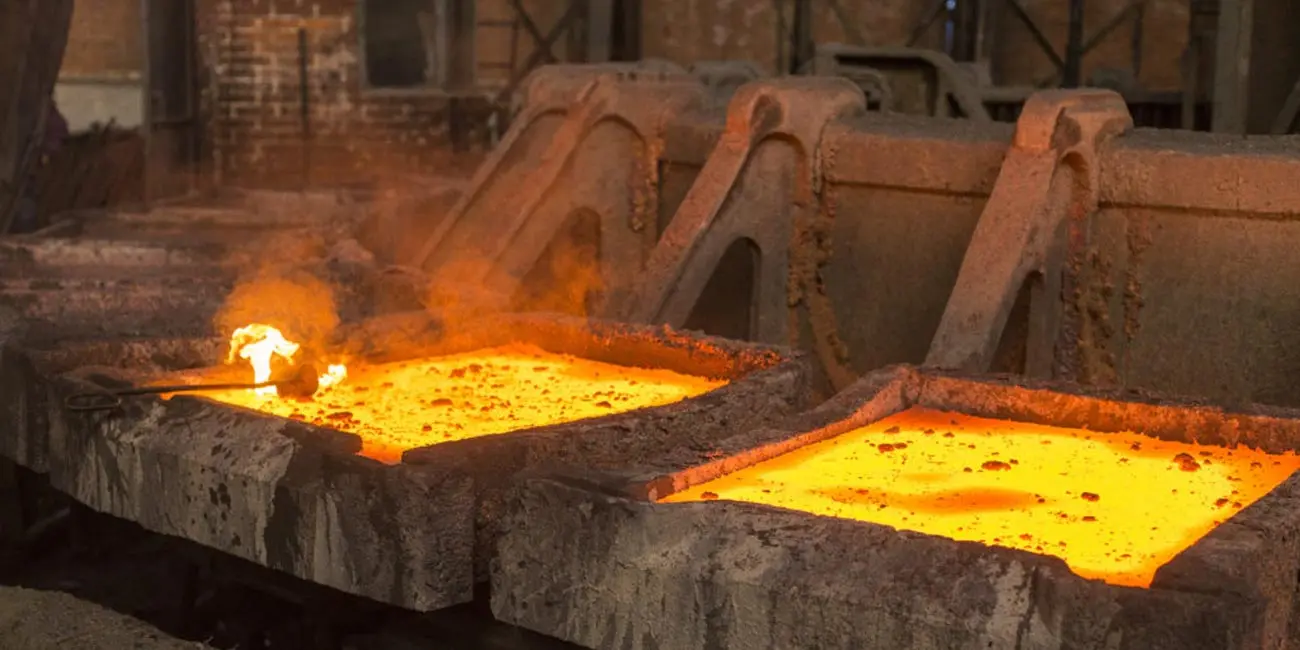
Metal Smelting Industry: Reducing Agent for Metallurgical Processes
Biochar serves as a reducing agent in metal smelting processes, including steel production. Its application in metallurgical industries can optimize furnace operations and contribute to more efficient and environmentally friendly metal production.
7 Models of Charcoal Making Machine in Australia for Sale
| Model | BST-50 Standard | BST-50 Max | BST-50S | BST-06 Quicker |
|---|---|---|---|---|
| Operating Mode | Continuous | Continuous | Continuous | Continuous |
| Application | Commercial-scale | Commercial-scale | Commercial-scale | Pilot Testing |
| Certification Platform | Isometric, Rainbow | Isometric, Rainbow | Puro.earth, Isometric, Rainbow | Rainbow |
| Reactor Material | Staineless Steel 304 | Staineless Steel 304 | Staineless Steel 310s | Staineless Steel 304 |
| Feedstock Moisture | Below 15% | From 15% to 55% | From 15% to 55% | Below 15% |
| Feedstock Size | 5-20mm | 5-20mm | 5-20mm | 5-20mm |
| Feeding Capacity (only for pyrolysis) | 10-15m³/h | 10-15m³/h | 10-15m³/h | 100-200KG/H |
| Max. Pyrolysis Temperature (Combustion Chamber) | 650℃ | 650℃ | 700℃ | 650℃ |
| Residue Retention Time | 15-20 minutes | 15-20 minutes | 15-20 minutes | 15-20 minutes |
| Operating Pressure | -20 - 0 pa | -20 - 0 pa | -20 - 0 pa | -20 - 0 pa |
| Cooling Method | Water | Water | Industrial Refrigeration Units | Water |
| Exhasut Gas Treatment | Standard | Standard | High Performance | Standard |
| Biochar Temperature | 45℃ | 45℃ | 45℃ | 45℃ |
| Annual Operating Hours | >7200hrs | >7200hrs | >7200hrs | >7200hrs |
| Service Life | 5-8 years | 5-8 years | 8-10 years | 5-8 years |
| Land Space Required (L*W*H*m) | 35*15*8 | 65*15*8 | 65*15*8 | 35*15*8 |
| Power Consumption | 121kw/h | 270-288kw/h | 270-304kw/h | 25.1kw/h |
| Water Consumption | 5-7m³/day | 5-7m³/day | 0 | 3-5m³/day |
| Fuel Consumption | 220-260m³/h | 220-260m³/h | 220-260m³/h | 30-50m³/day |
| Installation Period | 60 days | 60 days | 60 days | 7 days |
Embrace Excellence Design of Charcoal Making Machine in Australia
- The system significantly reduces dust pollution by using multiple cyclone dust collectors in different places.
- Exhaust gases are eliminated through an efficient spraying and desulfurization treatment process. It can achieve EU environment standards.
- Cooling water is reused multiple times to minimize waste. Any final wastewater is properly treated.
- Multi-stage and multi-point sealing structure.
- Micro-negative pressure operation and multiple explosion-proof facilities.
- Automatic alarm device connects to the electronic control system which can timely cut off the upper and lower ends of the fault point.
- Recycling combustible gas as a heat source reduces the use of traditional fossil energy.
- The inner and outer double return heating structure improves thermal efficiency.
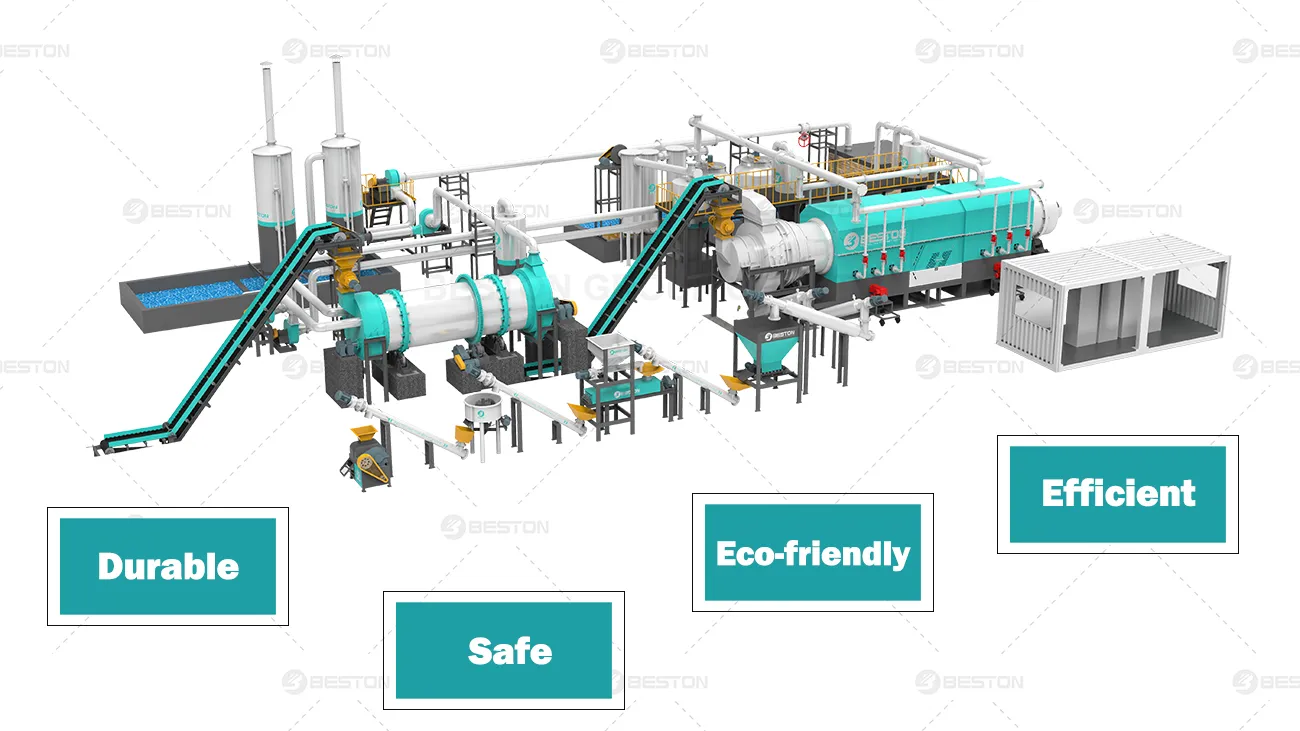
How to Get Charcoal with Charcoal Machine in Australia?
Keep biomass raw materials moisture below 15%, size 5-20mm. You can choose to configure dryer or crusher if needed.
Constant weight feeder transports the material into the biochar pyrolysis reactor using a belt conveyor.
In the low-oxygen furnace, the temperature rises to between 300-600°C. This causes the biomass material to undergo molecular decomposition and transform into carbides/charcoal.
The produced charcoal falls from the inner cylinder of the pyrolysis reactor into the outer cylinder. And then it is discharged safely by the water-cooling screw auto discharger. Its temperature will be reduced to below 45℃.
Syngas generated during pyrolysis is recycled to heat the pyrolysis reactor. The unused superfluous syngas finally enter the burning room for burn-up. The hot smoke (exhaust gas) from the reactor is released after cleaned by the cyclone, dedusting water spray, and ceramic ring absorption.
If you want to finally get charcoal briquettes with a specific size and shape, charcoal briquette making machine is available.
Partner with Beston Group for Charcoal Production Success
Beston Group has been a leader in biomass to charcoal technology for years, delivering reliable and efficient solutions worldwide. Our machines have proven successful in various customer projects across the globe. If you want to explore more about charcoal making machine in Australia or partnership opportunities, please reach out to us. We’re excited to collaborate with you and bring your project to life. Visit YouTube for more details.