
In just 16 days, Beston Group delivered a 10 TPD oil sludge thermal desorption project in Africa from on-site arrival to premium oil output — a testament to our technical expertise and rapid deployment capability. The installation and trial runs were completed seamlessly, delivering an exceptional oil recovery yield that earned strong recognition from the client. Read on to discover how we made it happen.
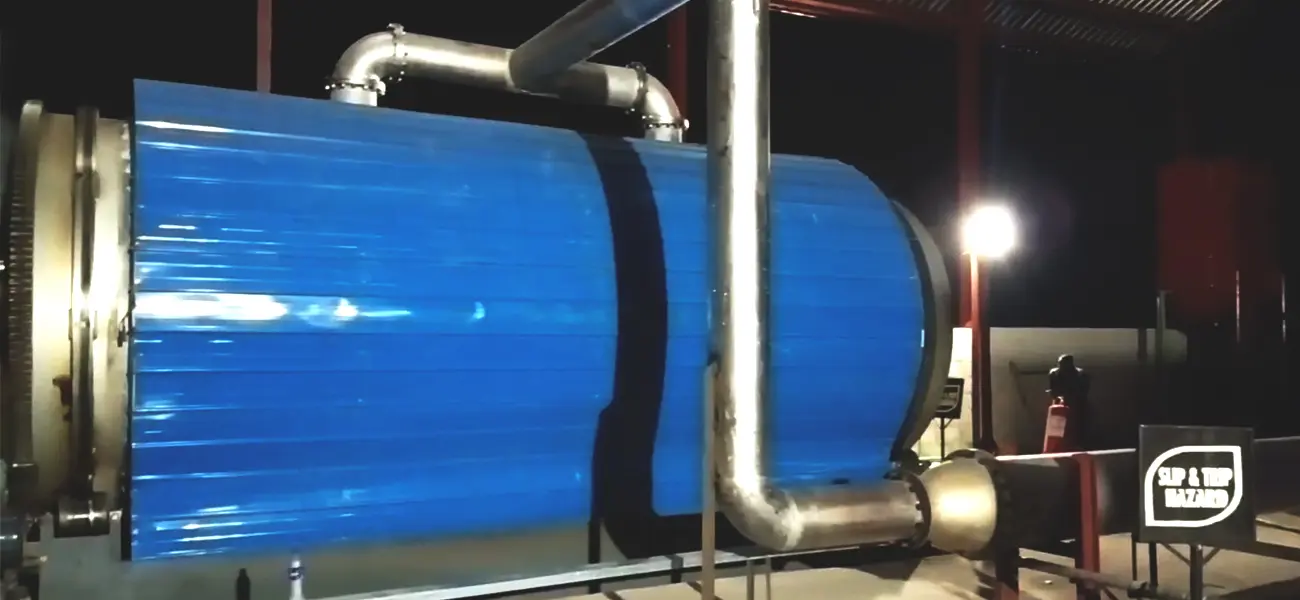
Project Background & Solution
Client Background & Project Planning
The client is an African resource recycling enterprise focused on oil sludge recovery. Having operated carbonaceous residue roasting businesses, they bring hands-on familiarity with high-temperature thermal processes. With this technical background, the client had clear priorities: the TDU’s operational stability and oil recovery yield.
- Feedstock Source: Local waste oil sludge (Sourcing cost: $0 / Ton)
- End-Product Application: Part of pyrolysis oil is for self-use, and most is sold commercially.
- Local Regulatory Environment: The local government follows general environmental compliance guidelines, with a relatively accessible project approval process.
Project Solution
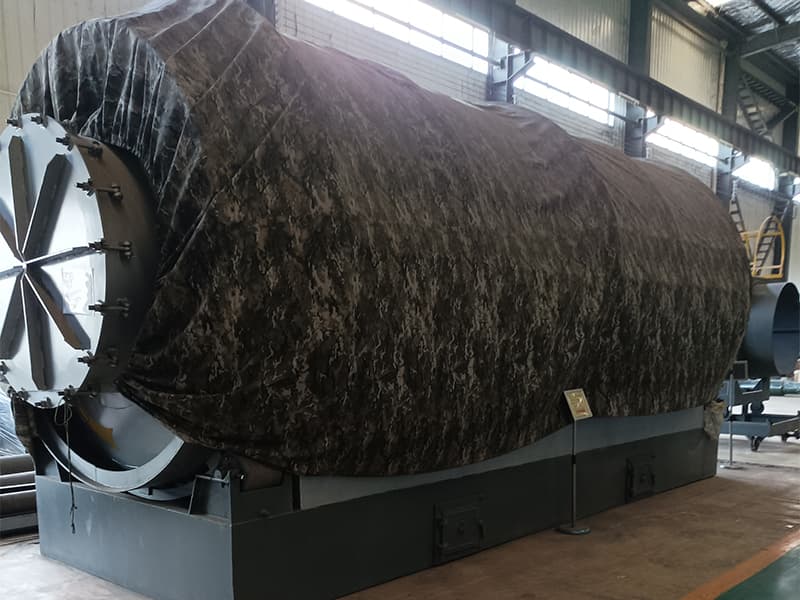
- Equipment Model: 10 Tons Per Day (TPD) Capacity Batch TDU
- Reactor Material: Q245R boiler steel (excellent pressure and thermal resistance)
- Condensing System: 3-in-1 condenser to maximize oil yield
- Other Configuration: Standard configuration
- Installation Guidance: On-site technical guidance and commissioning by senior project engineers
- Project Timeline: Installation and commissioning completed within a rapid 16-day timeline
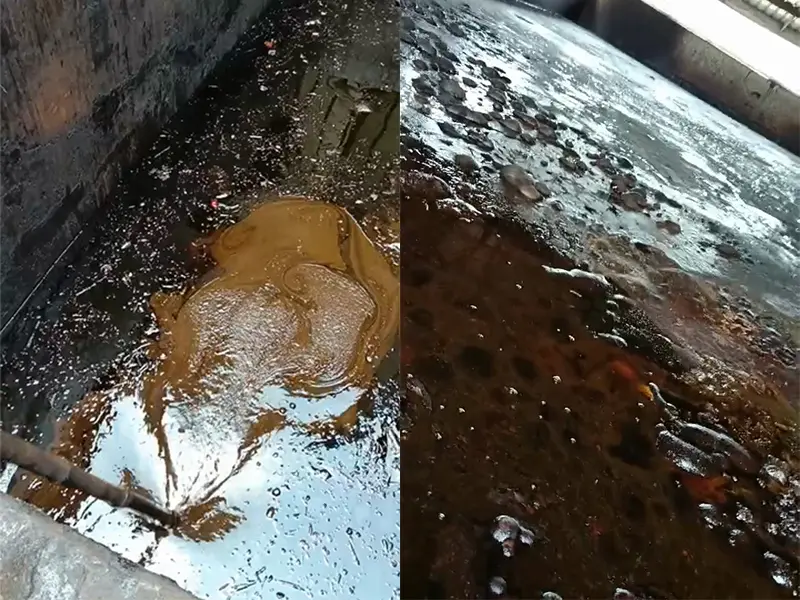
Meticulous Commissioning: High Oil Yield Earns High Client Recognition
Following the official commissioning of the TDU, high-quality pyrolysis oil was successfully extracted, with equipment performance indicators fully meeting design expectations. The client expressed high satisfaction with the oil yield, which aligned with their benchmarks for commercial sales.
Trial Run 1 — Aug 26, 2025
- Feedstock: 3 tons of oil sludge + 2 tons of sand
- Operating Time: 11 hours
- Operating Outcome: Sealing failure resulted in oil-water mixing, with no measurable oil output.
- Issue Identified: The spray water pump stopped functioning after approximately 3 hours working — diagnosed as a mechanical seal failure at the water inlet.
- Action Taken: Sealing system inspected and repaired
Trial Run 2 — Aug 28, 2025
Prior to this run, Beston engineers had conducted multiple rounds of hands-on training with local operating staff. During this run, the client’s team took the lead on this trial run, while Beston engineers remained on-site to assist. The customer was satisfied with the final oil yield.
- Feedstock: 4.5 tons of oil sludge + 1.5 tons of sand
- Operating Time: 10 hours 22 minutes
- Operating Outcome: Oil recovery yield earned strong recognition from the client.
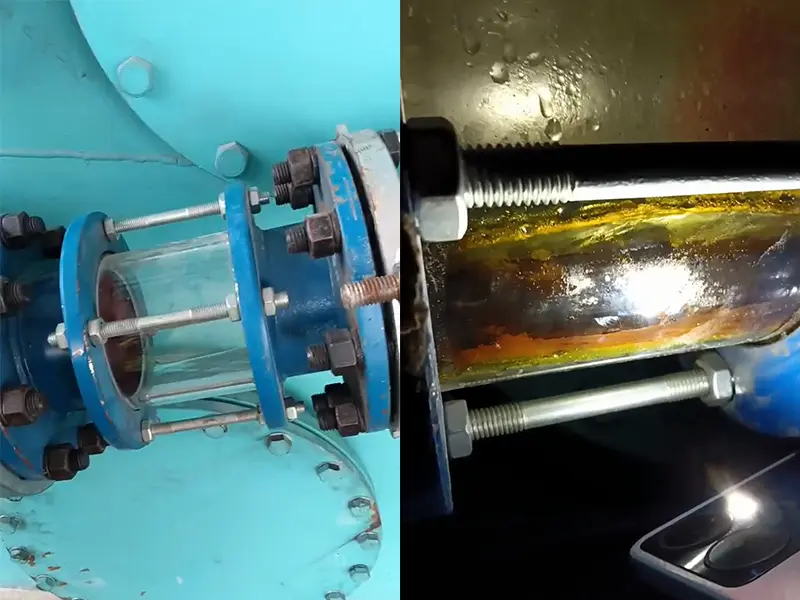
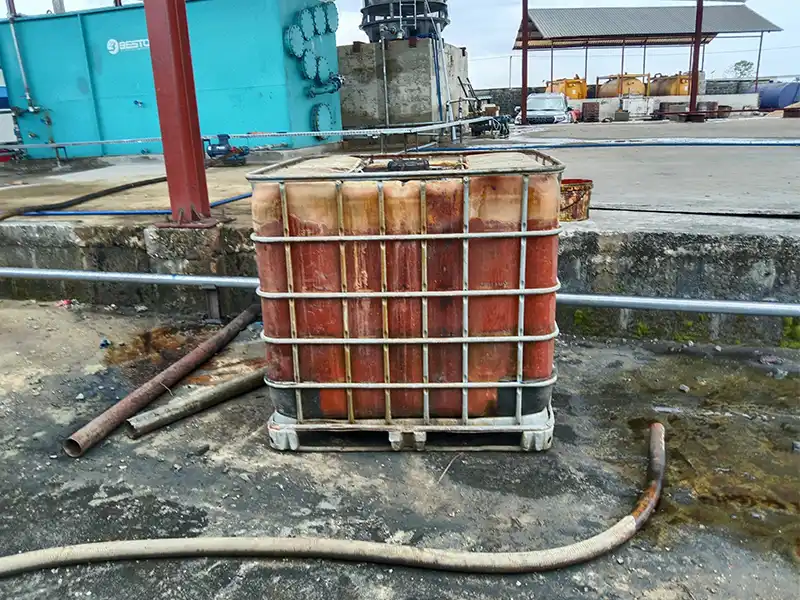
First-hand Experience: Pre-Purchase Moisture Testing Matters
During the initial commissioning phase, our technical team observed that the high moisture content of the oily sludge resulted in a low initial net oil yield.
Engineer’s Recommendation: “To protect your oil output and profit margins, we strongly advise conducting moisture content testing prior to finalizing large-volume oily sludge supply contracts.”