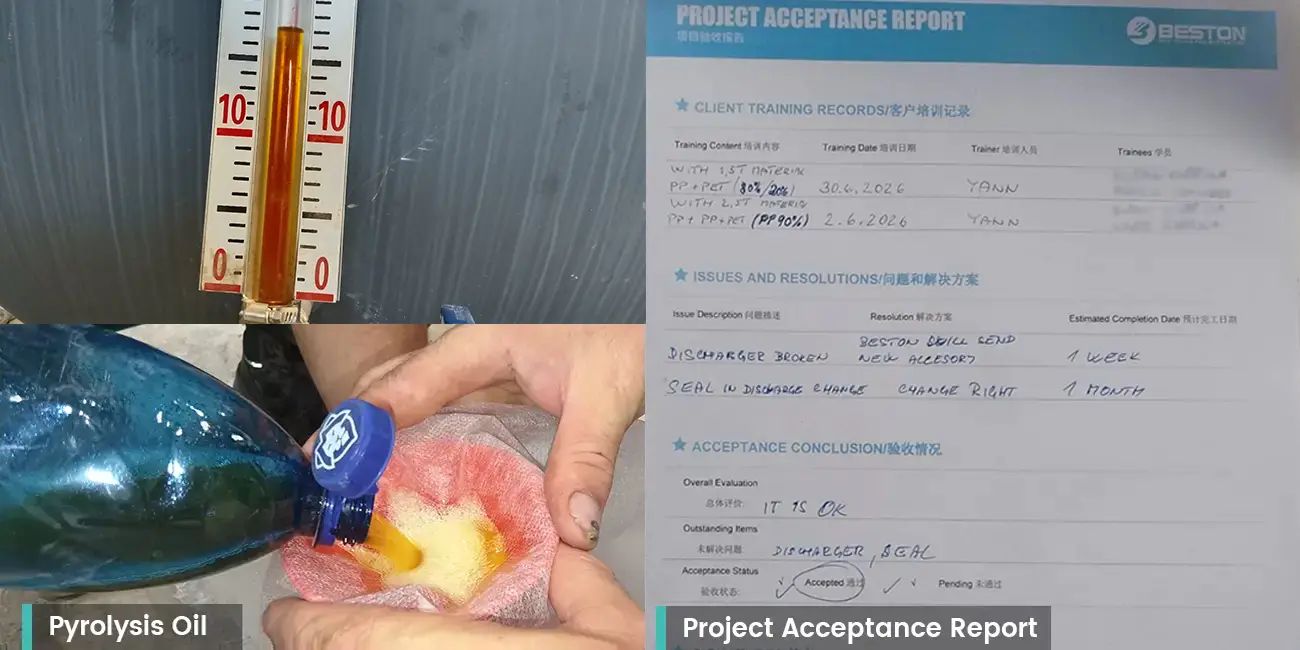
A BLJ-16 plastic-to-fuel pyrolysis plant has been successfully installed and commissioned in Europe. The plant can now process 4 tonnes of waste plastic per batch, one batch per day, with an oil yield of around 70%. The customer plans to further refine the pyrolysis oil and use it to generate power on site, which will cut electricity costs and make better use of waste plastic as a resource.
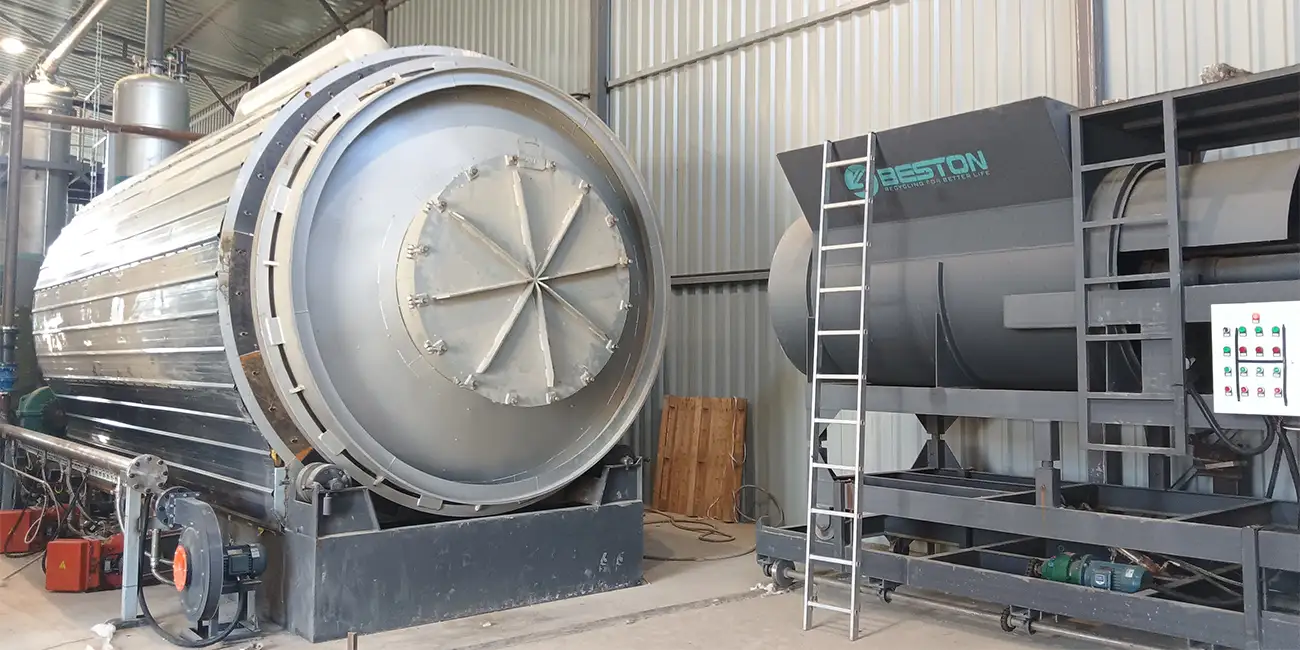
Project Summary
| Item | Details |
|---|---|
| Project location | Europe |
| Customer industry | Solar PV Installation & Energy Storage Solutions |
| Equipment model | BLJ-16 pyrolysis plant (304 stainless steel reactor) |
| Feedstock | Plastic packaging waste generated at the customer’s own factory, including PP |
| Processing capacity | 4 Tons per batch |
| Oil yield (actual) | Approx. 70% |
| Oil application | Further processed, then used for on-site power generation |
| Start of operation | July 3, 2026 |
Background & Challenges
The client specializes in solar panel installation and energy storage system assembly. As the business grew, two challenges led the company to look into plastic pyrolysis.
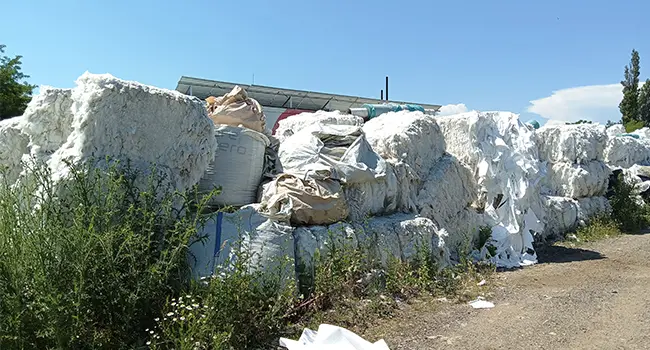
Growing Plastic Waste
Daily assembly and packaging operations produced a steady stream of PP and PET plastic waste. The packaging waste took up valuable factory space, and the company needed a way to reduce it.
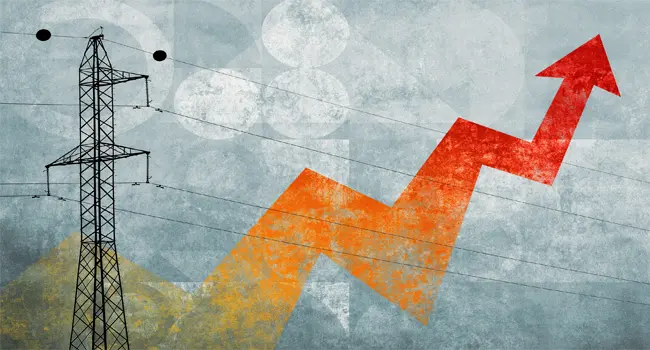
Rising Electricity Costs
Electricity prices in the region were high, and the factory’s power demand grew along with the business. Management began looking for ways to generate its own power and cut costs.
Plastic-to-Fuel Solution: BLJ-16 Pyrolysis Machine
To tackle waste disposal and high energy costs, the client worked with Beston Group and chose the popular BLJ-16 plastic to fuel machine.
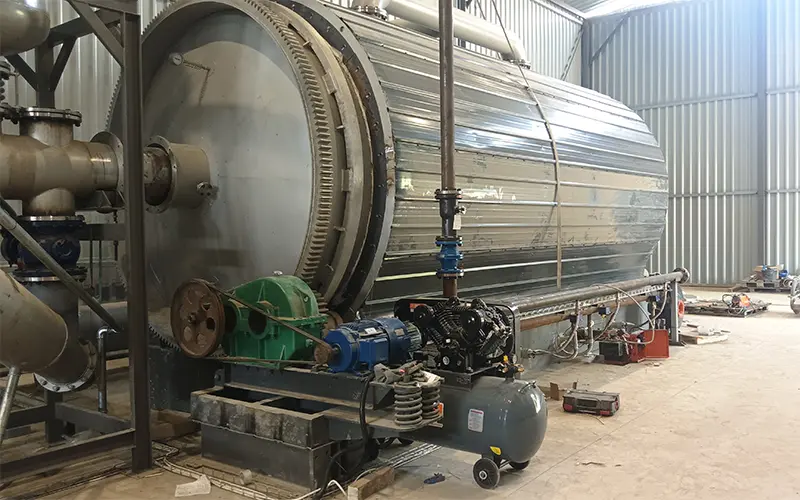
304 Stainless Steel Reactor
Built to withstand sustained high temperatures, the reactor offers a long service life and safe operation. Unlike ordinary carbon steel, 304 stainless steel is less prone to rust and wall thinning.
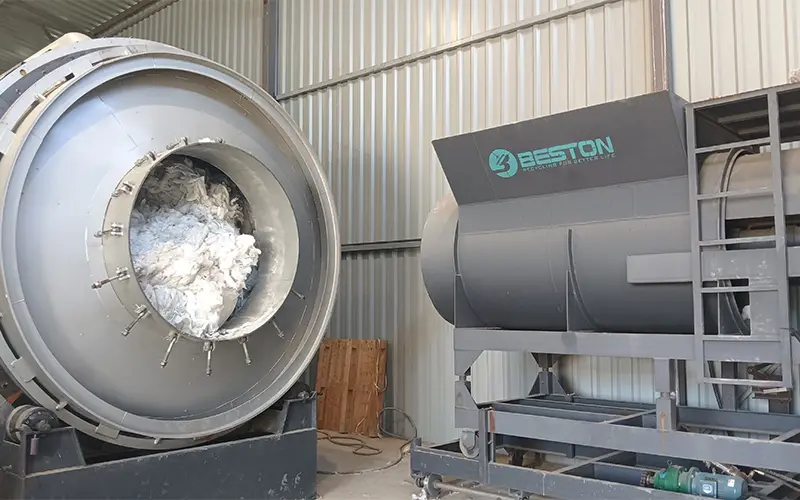
Hydraulic Feeder
Plastic packaging waste is light and bulky, so it takes up a lot of space. The hydraulic feeder pushes it into the reactor with strong, steady force and compresses it as it goes, so each batch holds more material.
Operational Results & Economic Impact
Under the guidance of Beston’s technical engineers, the plant ran smoothly during trial operation. The customer formally accepted the project on 3 July 2026, and the plant entered full operation.
High Oil Yield
Each batch processes approximately 4 tonnes of plastic packaging waste and produces roughly 3,000 litres of pyrolysis oil, an oil yield of around 70%.
Circular Economy in Practice
Rather than selling the oil, the customer plans to refine it further and use it as fuel for on-site generator sets. This helps offset grid electricity consumption and cut the factory’s operating costs.